

High humidity in the house is a source of many inconveniences. It damages some surfaces such as walls and favors the development of molds responsible for allergies and respiratory problems. In this case, regulating the humidity level is essential to ensure a comfortable living space and keep the house in good condition. Find out how to repair damp walls.
If dry air favors headaches and dries out the skin and mucous membranes, high humidity is also detrimental to the condition of the accommodation.
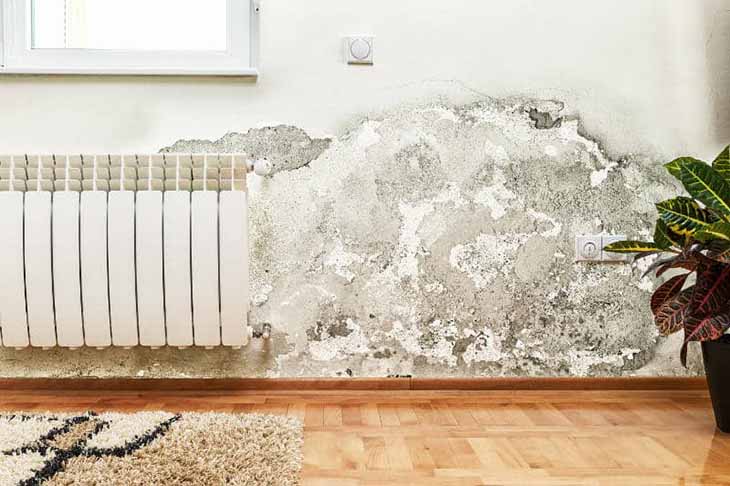

Moisture damaged wall – Source: spm
What are the consequences of high humidity?
The humidity level is considered normal when it is between 45% and 65%. Beyond this index, we speak of an excess of humidity that has important consequences.
- About health: Inhalation of mold spores can cause an allergy resulting in rhinitis, eye irritation, cough, nasal congestion, or even wheezing. Also, high levels of mold in the home can put children at risk for asthma.
- Housing conditions: High humidity favors the appearance of mold and salt stains on the walls, causes the paint to crumble and the wallpaper to peel off, without forgetting that it favors condensation outside, inside the windows and impregnates the interior with a bad smell of mold.
What are the factors responsible for dampness in the walls?
Water infiltration problems: The walls have a porous structure that favors the infiltration of humidity from the outside, especially if the house does not have good insulation and therefore little resistance to water and atmospheric agents. Keep in mind that leaks can also come from the ceiling.
Water leaks: Leaks can come from pipes or appliances. In fact, water can leak out of a dishwasher or washing machine, thus promoting moisture on the walls.
Poor ventilation: In the absence of good ventilation, humidity accumulates in the house, especially in the kitchen and bathroom, which are considered to be the most humid areas in the house.
Capillary rise: This phenomenon supposes the increase of the humidity of the floor or the basement through the walls.
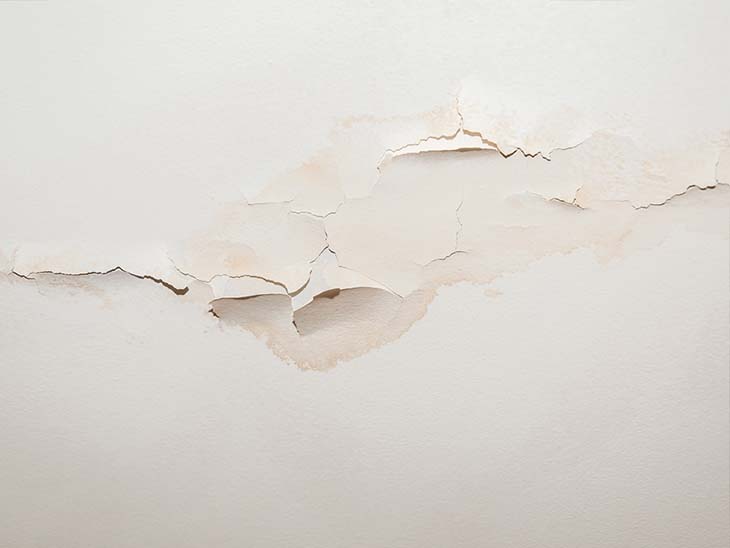
Damaged wall – Source: spm
What method to repair a damp wall?
-
Clean the stained area
Before repairing damage to a wall, it must first be thoroughly cleaned. To do this, use a microfiber cloth and water and Marseille or dishwasher soap. Then let the wall dry.
-
remove the scales
Using a crack scraper, remove peeling paint and loose particles due to moisture.
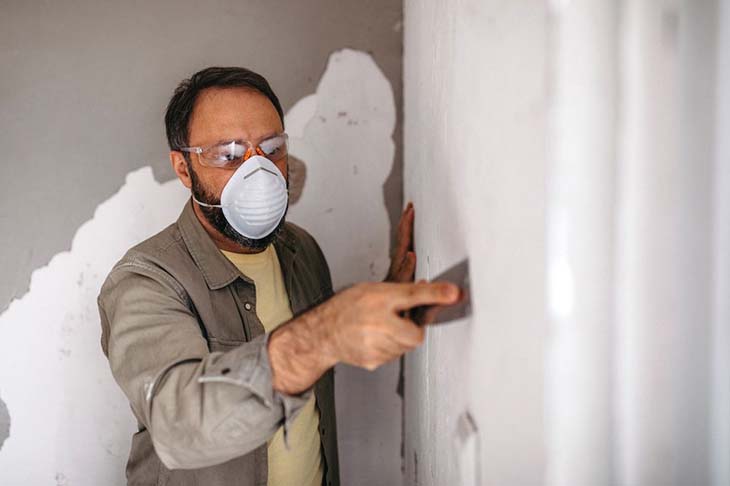
Scale removal – Source: spm
-
treat mold
After cleaning the wall, treat the mold with a household stain remover. For this you will need:
- 300ml white vinegar
- 200ml of water
- 4 to 5 drops of tea tree essential oil
Mix white vinegar, water, and tea tree essential oil in a spray. The latter has an antifungal and antibacterial action that will help you effectively destroy the fungi responsible for molds to prevent their reappearance. Spray on the affected areas and leave for a few hours. Then wipe the wall with a clean cloth and let it dry completely.
-
coatings
If necessary, remake a putty to fill holes and cracks, and then a smoothing putty to finish the wall repair.
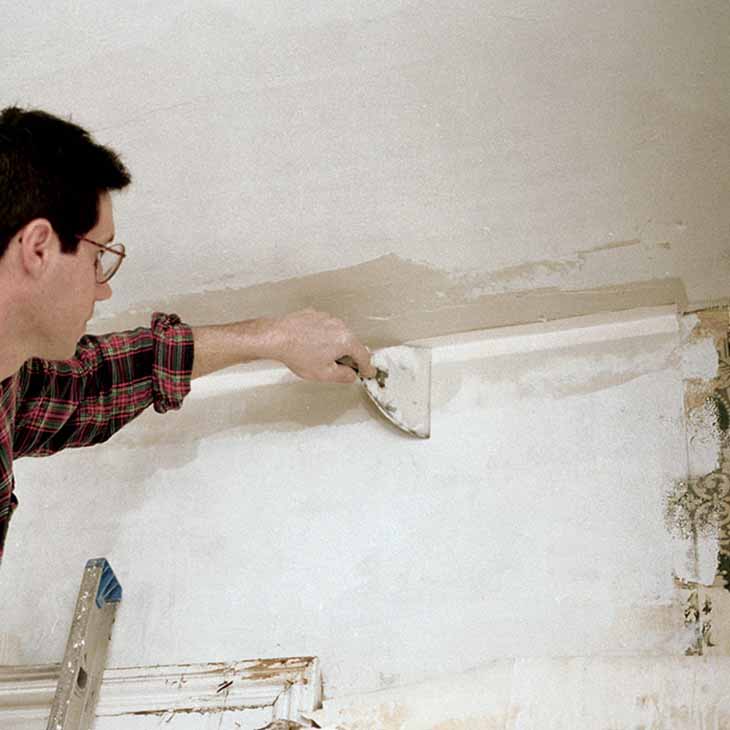
Damp wall repair – Source: spm
-
Paintwork
After repairing the wall for moisture damage, apply a coat of stain-resistant paint to the damaged areas to strengthen the wall’s resistance to daily wear and tear. Wait for it to dry and paint the wall , preferably choosing an anti-humidity paint. Please note that before proceeding with this step, the wall must be dry and well sanded.
Keep in mind that before proceeding with the wall repair, it is necessary to identify and correct the cause of the dampness to avoid deterioration of the walls that have not yet been affected.
How to combat humidity?
The first step is to ventilate the entire house daily, to renew the ambient air and eliminate excess humidity. 15 minutes of aeration may be enough.
To control the humidity level in your home, consider equipping yourself with a dehumidifier to help reduce humidity in rooms that show signs of high humidity. Finally, it is important to check the pipes and make sure the house is insulated from the roof and windows to address the problem of moisture at the source.
This trick will certainly allow you to repair your damp wall, but to avoid finding yourself in such a situation again, it is important to regulate the humidity of the house, to avoid a humidity level that is too high or too low. .


