

Did you know that you can grow seedlings from an old sponge? This little-known D-system technique doesn’t require a green thumb or gardening wizard. Using this everyday item will help you get plants sprouting in a small space.
Planting has never been so easy! And for good reason, you can witness the growth of young shoots by recycling… a sponge. This everyday object will help you to have a square garden where even children can grow.
Gardening: how to use a sponge to grow your plants?
To plant seeds or grow vegetables, it is not always necessary to have a small garden. You can create a green space by recycling old sponges. This porous object can be of great help in growing a seed easily and without soil. With this home improvement product, your children will be able to explore their gardening skills by watching seeds and roots grow quickly. The advantage? You can plant a large number of seeds on this surface!
In order to have beautiful seeds, you will need to ensure that your sponges are not treated with detergents or antibacterial compounds, as these can affect the growth of your green space. If you want to protect your plants from mold, you can clean this item with a few drops of bleach and rinse well.
To start planting, soak the sponges in water before placing them in a shallow container. You can then sow the seeds in the corners of the support or drill a hole in the center where you grow your seed. Cover the pan with cling film and expose it to the sun. In order for the seeded plants to grow well, it is advisable to check the soil from time to time to see if the sponge has not dried out or has developed mold. If you notice dryness of the latter, spray it with water using a bottle with a sprayer.
Once your plants have sprouted, you can transplant them into the ground in a pot or into your garden. To do this, it will be necessary to cut the sponge with scissors in order to keep the roots intact. You can also remove the plastic wrap and let the plants grow in the tray if you wish.
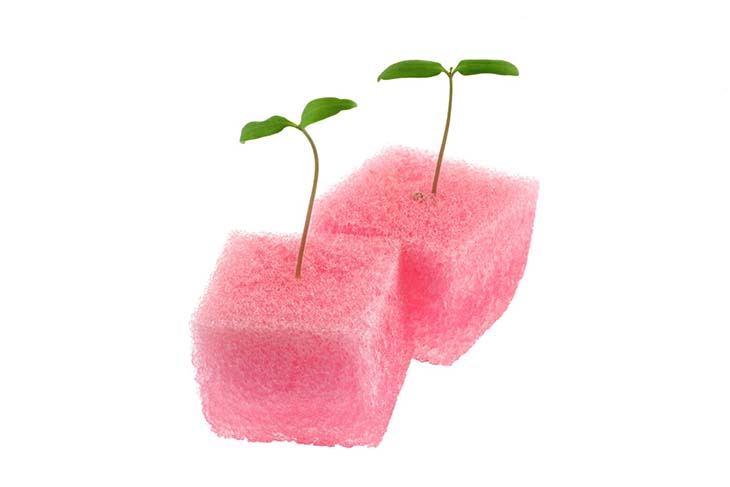

Sponge Stocking – Source: spm
What plants are easy to grow in a sponge?
In this little makeshift garden, you can plant perennials like onions, garlic or even leeks. To witness good growth, the seeds must be small enough to have room to germinate in the sponge. You can also grow vegetables with larger seeds like broccoli, but also aromatic plants like mustard. You will simply have to dig a deeper hole on the surface. You will also need to pierce small holes in the plastic film with a skewer to let air in and prevent moisture overflow. Finally, place the tray in a warm and bright place that favors a better growth.
Smart Gardening – Source: spm
When to collect plants grown on a sponge?
To transplant your plants into the ground or harvest them, you will need to wait until the stems are at least 4 inches long. Observe the appearance of your plants because they must form branches and have a large number of leaves. The advantage of sponges is that you can plant flowers that you will later place in small pots. For a beautiful bloom you will need to place these containers on your terrace or balcony .
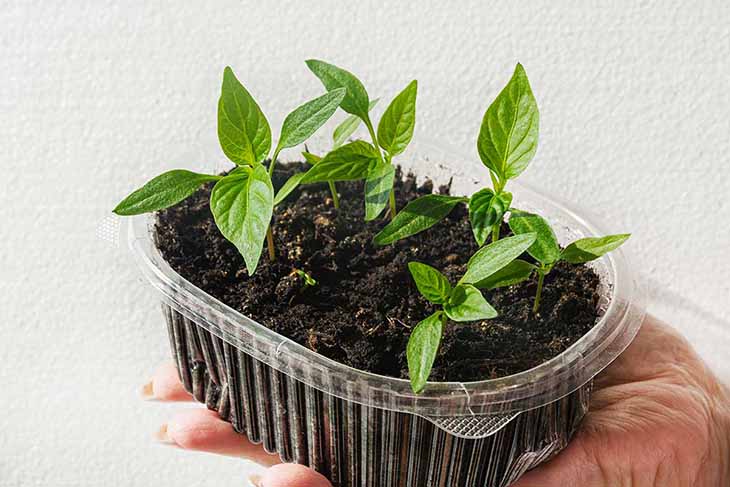
Plant – Source: spm
There is another gardening trick with an old sponge.
While this dishwashing essential can help you grow your plants, it can also come in handy for another gardening technique . Soon you will not be able to do without it!
A sponge can help you better water your plants. To do this, you’ll need to cut it so its shape fits the bottom of your pot. Then add soil before sowing the seed. Your sponge will soak up excess water.
One thing is for sure: you can develop your beginner gardening skills thanks to seeds grown in an old sponge. This tip will introduce you to garden maintenance!


