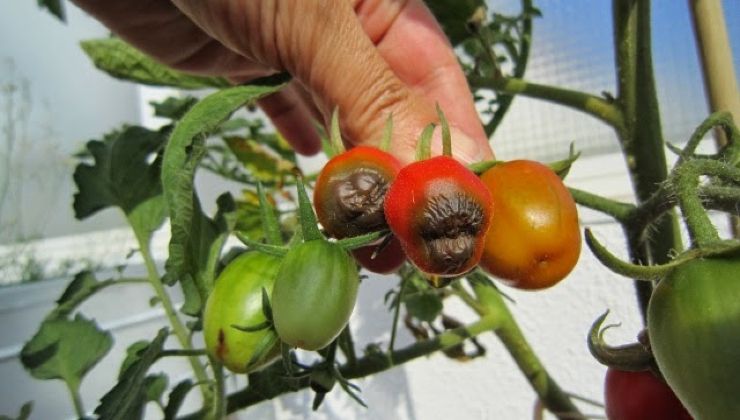
Decoding the Mystery: Why Do Tomatoes Turn Black at the Tip?
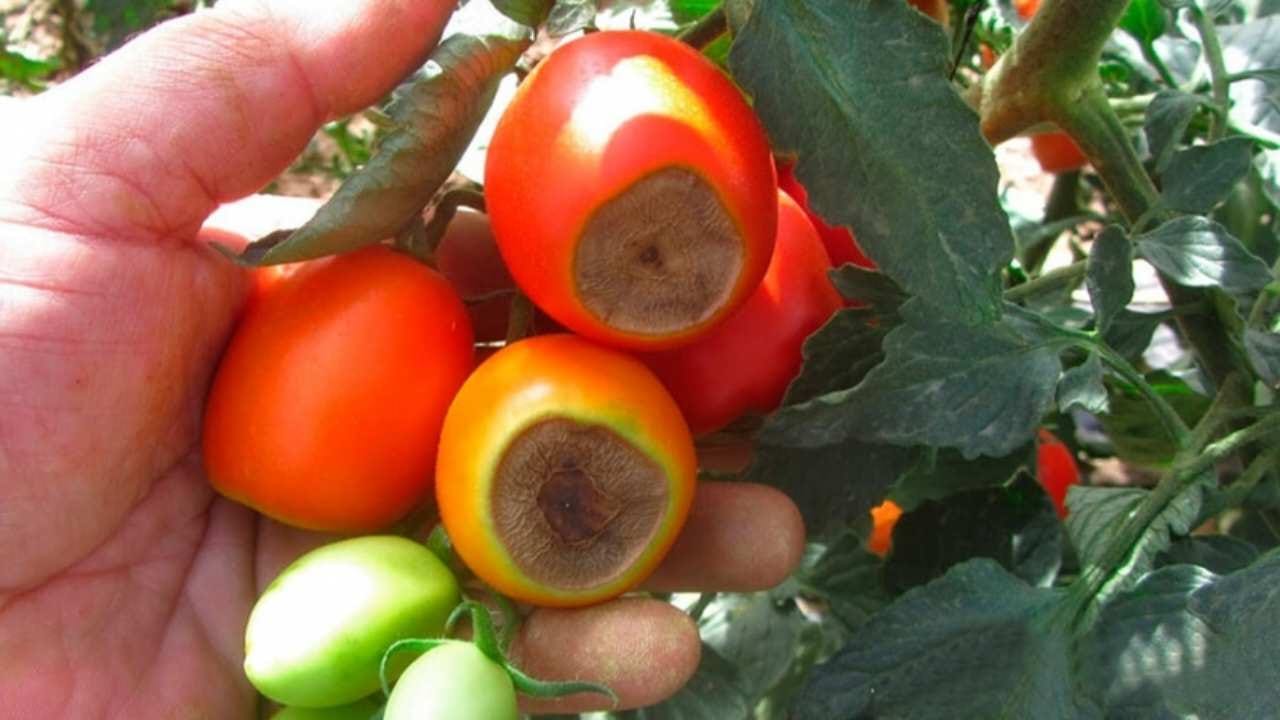
The joy of cultivating tomatoes can sometimes be dampened when these vibrant fruits develop a mysterious black hue at the tip. Contrary to common belief, this phenomenon is not solely a result of insufficient watering. In this exploration, we uncover the real reasons behind this enigma and share practical solutions to ensure your tomato plants thrive.
Tomato Plant Care 101
The tomato, cherished for its robust yet sweet flavor, is a culinary favorite globally. To nurture a flourishing tomato plant, a few essential care tips are paramount. Regular watering every other day, planting in well-drained and moist soil, providing ample sunlight, frequent pruning to eliminate budding growth beneath leaves and stems, and supplementing the soil with natural fertilizers are key elements for optimal growth.
However, as you tend to your tomato plant, if you notice a discoloration at the tip turning black, it’s time to unravel the mystery behind this occurrence.

The Culprit: Calcium Deficiency
The prevalent reason behind tomatoes donning a black tip is a deficiency in calcium, a crucial nutrient for fruit development. The inadequacy of calcium manifests as necrosis on the lower part of the fruit and internal rot, rendering the affected portion inedible. This condition is not solely attributed to insufficient watering but rather to a scarcity of calcium in the soil.
It is essential to emphasize that for plants to absorb calcium effectively, they must be planted in well-fertilized soil, and this nutrient must be present in adequate amounts.
The Role of Watering Habits
Watering habits play a pivotal role in the plant’s ability to absorb calcium. Overwatering can lead to root drowning, hindering nutrient absorption, while underwatering stunts root growth, causing a similar deficiency. Therefore, tomatoes turning black at the tip can be a result of improper irrigation practices.