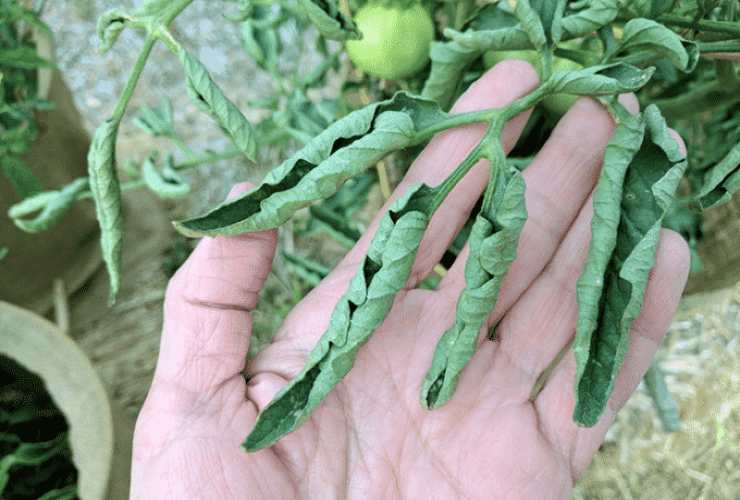
Unraveling the Mystery of Twisted Tomato Leaves: Identifying the Culprits

Have you ever observed the peculiar phenomenon of twisted tomato leaves in your vegetable garden or on your balcony? The lush greenery of tomato plants can sometimes exhibit this curious twist, and the cause lies in a tiny yet menacing culprit – the white mite. Let’s delve into the details and understand the motivation behind this phenomenon.
Cultivating Tomatoes: A Balancing Act
Growing tomato plants demands attention to detail, whether in a sprawling garden or a confined balcony space. The delicate nature of tomatoes requires adherence to specific rules for optimal growth and fruiting. Regardless of your gardening space, remember these crucial guidelines:
- Water is Vital: Tomatoes thrive on water, requiring multiple daily doses in summer and a daily watering routine in spring.
- Embrace the Sun: Adequate sunlight is essential for tomato plants. Position them to receive direct sunlight, ensuring optimal growth.
- Nutrient Boost: Regular fertilization, at least once every two weeks, provides the necessary nutrients for robust growth and prolific fruiting.
- Deep Planting: Bury the tomato plant deep in the soil to foster strong root growth, enabling efficient nutrient absorption.
Now equipped with these rules, you can foster healthy tomato plants. However, an additional concern may arise – twisted tomato leaves. Let’s unravel the mystery behind this curious phenomenon.
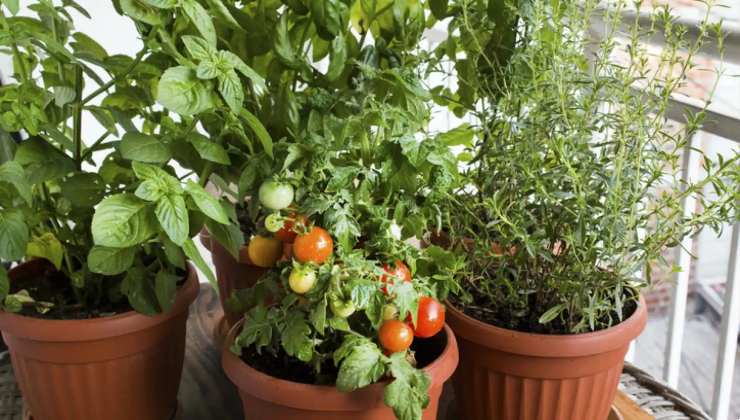
The Motivation Behind Twisted Tomato Leaves
If you’ve noticed the leaves of your tomato plants curling or twisting, blame it on the white mite. This minuscule pest, nearly invisible to the naked eye, wreaks havoc on your tomato plants. The white mites lay microscopic eggs on the underside of leaves, feeding on the plant and transmitting diseases and toxins through their bites, leading to leaf twisting.
Combatting the White Mite Menace
To address a white mite infestation, swift intervention with an acaricide is crucial to prevent plant demise. Follow up with a leaf wash using a mixture of water and baking soda. Create the solution by adding 2 tablespoons of baking soda to 300 ml of room temperature water, then spray it on the leaves. Use a cotton pad soaked in the solution to remove mites and eggs. Your plant should recover within days.
However, other factors may contribute to twisted tomato leaves. Unstable weather, high temperatures, and scorching heat can prompt leaves to dry and twist as the plant attempts to preserve water. Herbicides from neighboring plants may also affect your tomatoes, necessitating treatment with potassium and calcium supplements.
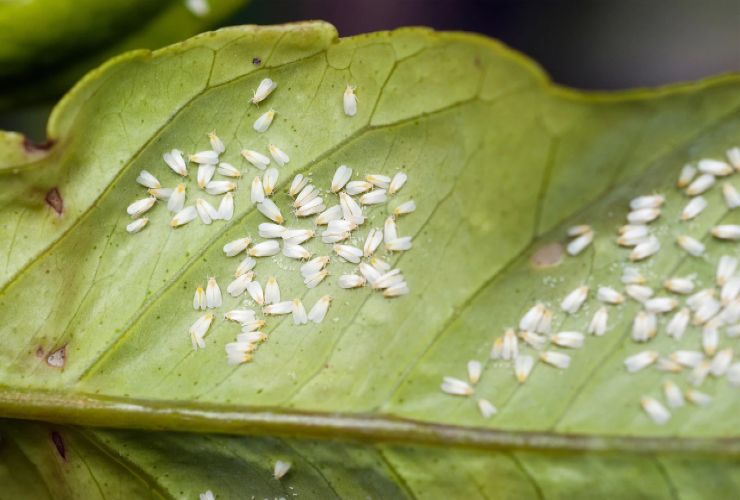
The Tomato Virus Menace
Another potential cause of twisted leaves is the tomato virus, a disease that can swiftly incapacitate the plant. Distinguishable by a white patina covering the stem and leaves, this virus poses a severe threat not only to tomatoes but also to cucumber, eggplant, and zucchini plants. In such cases, uprooting and discarding the infected plant is the only viable solution to prevent the virus from spreading.
Understanding the reasons behind twisted tomato leaves empowers you to care for your plants effectively. Implement the provided suggestions, and ensure your tomatoes thrive in the best possible way.