

What happens at the legislative level if you spill water in your neighbor’s garden? Let’s see what the legislation says about it.
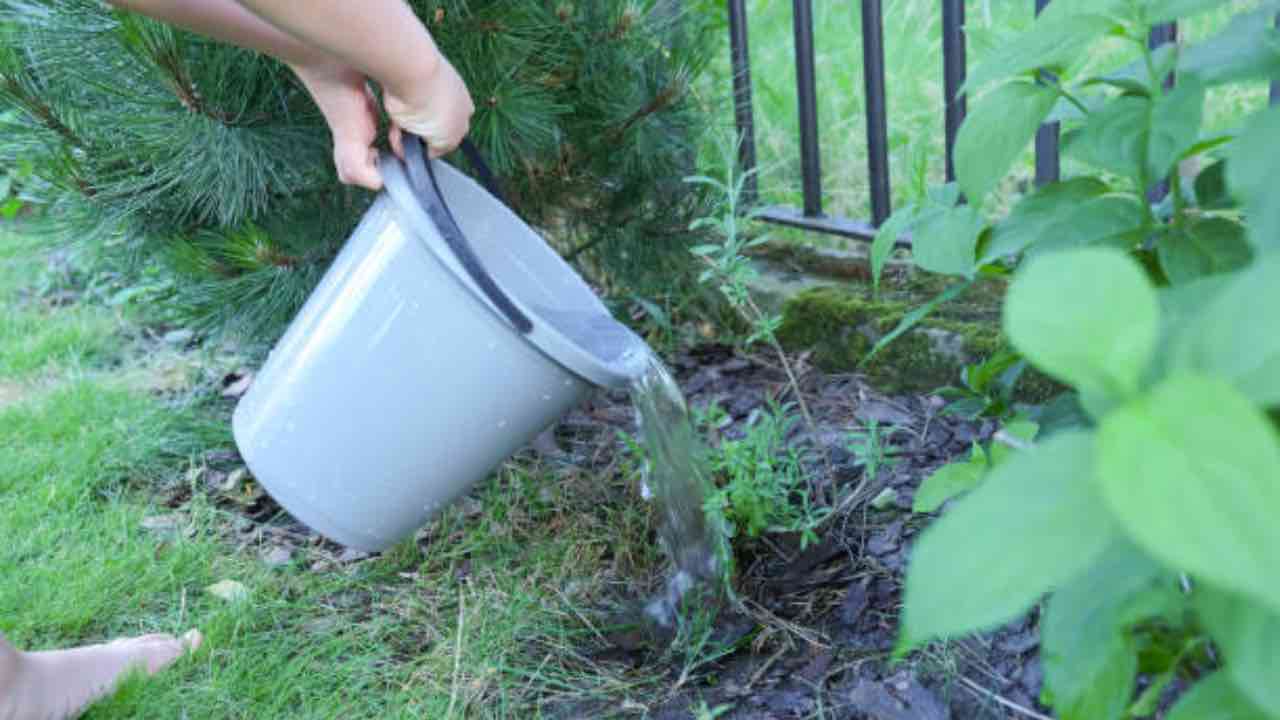
In the event that water is unintentionally spilled into nearby gardens, it is crucial to understand the legal provisions and limitations available.
Although often overlooked, this problem plays a vital role in home and garden maintenance.
Read on for all the essential information related to this topic that is often not thoroughly studied.
For many, the home serves as a sanctuary in which to seek refuge and experience moments of peace with loved ones.
When a residence is equipped with a garden, the level of comfort and tranquility increases.
A lush oasis, it offers a haven to take in the fresh air and enjoy the beauty of nature.
During the summer, it is particularly pleasant to enjoy the beauty of this natural paradise.
However, owning a garden comes with a number of responsibilities.
In addition to routine maintenance and necessary repairs, it is essential to adhere to the principles of good neighborliness and respect the gardens of those who live nearby.
In addition to the usual rules, there are also legal requirements that must be met.
Failure to comply with these rules not only harms others, but also puts them at risk of penalties.
Pouring water into nearby gardens is a common situation that arises.
It can happen in a rural area where you act on the spot and end up pouring water on the nearby land.
However, the legality of such an act is a matter of debate. To clarify this, it is necessary to examine what the law specifically dictates.
Pouring water inside neighbors’ gardens: what the law says
Laws about the disposal of water in neighbors’ gardens are precise. To avoid breaking the law, you need to understand their needs.
When it comes to managing your home and garden, it’s crucial to understand water consumption in relation to neighboring properties.
The law establishes what actions are allowed and prohibited in this regard.
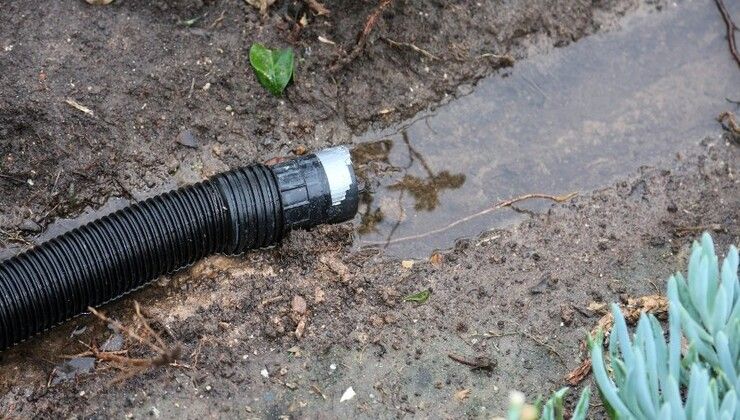
Specifically, the Civil Code sheds light on the issue of water spillage in neighboring gardens.
Section 991 outlines the responsibilities of individuals who intend to establish a water source near neighboring property.
According to regulations, it is required to maintain a certain height difference between the watercourse and the adjacent property line.
The difference in height must be proportional to the depth of the excavation carried out.
To meet the eligibility criteria, the water source must be built without defects.

If there are irregularities, it is essential to act immediately without causing any disturbance to the surrounding community or compromising the functionality of the fountain.
Is it permissible to pour a bucket of water into a neighbor’s yard?
Failure to comply with the law may result in the imposition of financial penalties.
In addition, ignoring legal limits related to water spillage in nearby gardens poses the potential danger to nearby people.
This could result in the offense being charged with recklessly discharging dangerous things.
Therefore, it is always a good idea to know the rules regarding the good neighborly relationship to prevent it from degenerating over time.


