Maintaining a Beautiful Garden: Taming the Growth of Invasive Weeds
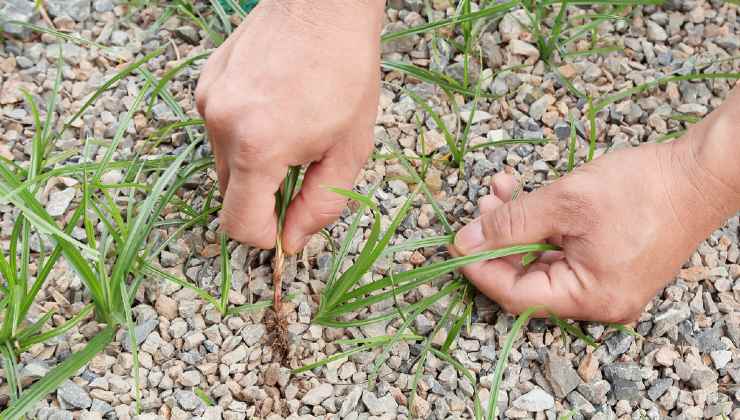
For anyone aspiring to cultivate a perpetually beautiful and well-groomed garden, the relentless and continuous growth of weeds poses an inevitable challenge. Some of these intruders are not only weeds but also invasive, prompting the need for a specific approach to weed removal. Even for those lacking an extensively green thumb, it becomes essential to identify specific types of weeds and expel them correctly. So, how can this be accomplished?
1. Gardens: A Canvas for Weeds to Appear and Multiply
The allure of having a beautiful garden that enhances the charm of a home, be it modest or expansive, can be diminished by the relentless invasion of various weeds. This small slice of paradise, adorned with diverse colors and captivating scents, serves as a haven for relaxation and sunbathing.
However, the unwelcome presence of weeds like milk thistle, laurel, and dandelion can mar the aesthetics and functionality of the garden. Such invaders, deemed weeds by seasoned gardeners, exhibit a high reproductive capacity and pose potential threats to the well-being of children and pets if ingested.
2. Dealing with Invasive Weeds: An Exploration
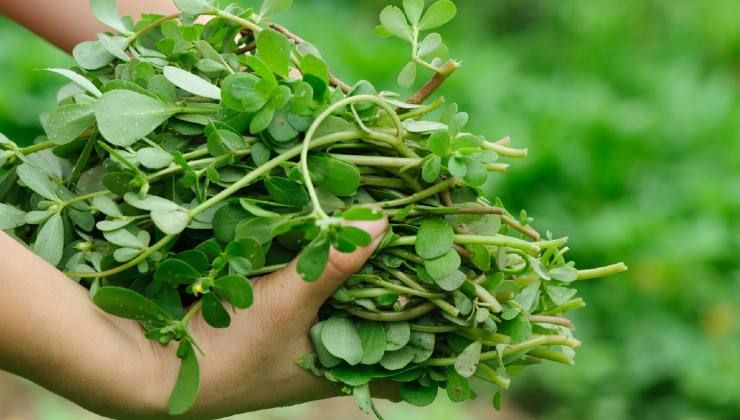
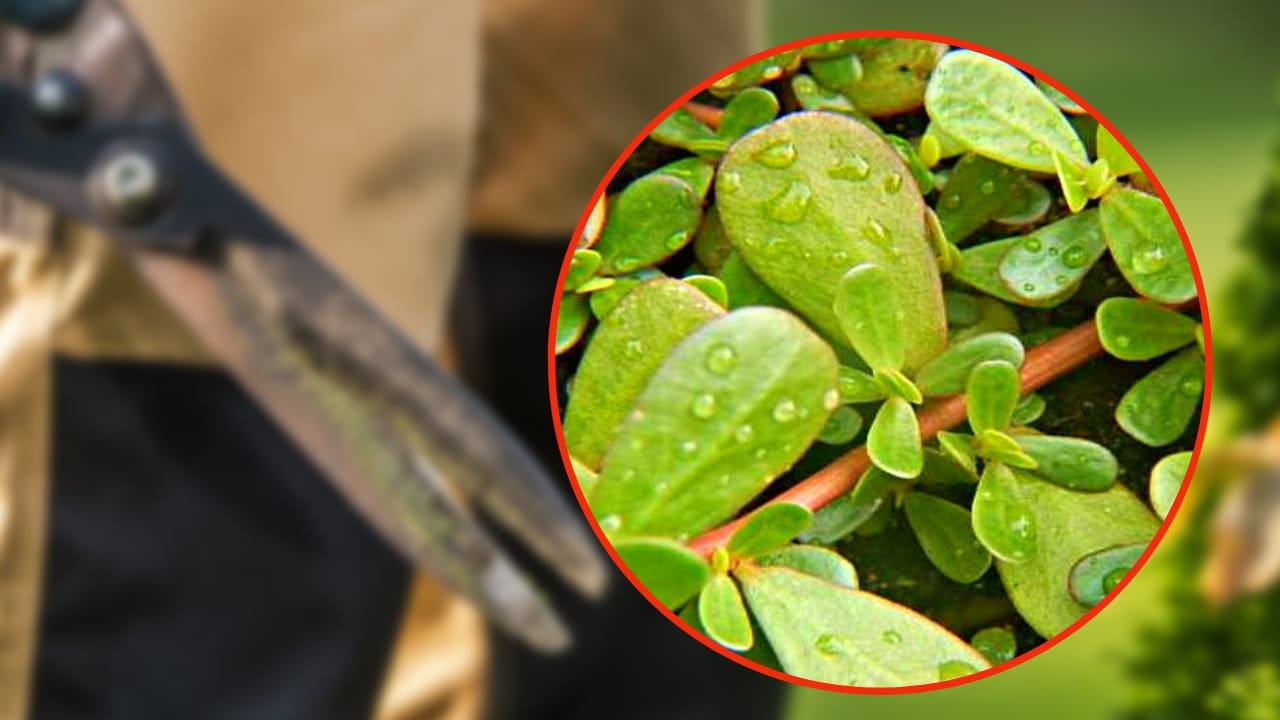
Weeds come in various forms, ranging from mildly invasive to potentially hazardous. Purslane, for instance, is a plant that spontaneously proliferates in gardens and vegetable patches, boasting commendable health benefits for the human body. Surprisingly, the leaves of this plant provide a rich source of Omega-3 fatty acids, essential for combating inflammatory and cardiovascular diseases. Additionally, they enhance blood circulation and reduce levels of bad cholesterol. Despite its potential advantages, purslane is often uprooted as it thrives in gardens.
In practical terms, 100 grams of purslane leaves from the oleracea variety contain 350mg of Omega-3 fatty acids, rivalling other plant-based sources. Easily cultivated, the sativa variety is frequently encountered in gardens, offering a nutrient-rich profile comprising Vitamins A, B, C, E, and beta-carotene.
3. Weighing the Pros and Cons: Not All Weeds Are Villains
Contrary to common perception, not all weeds spell doom for a garden. Purslane, for instance, is a culinary gem with centuries-old healing qualities. Ancient Egyptians extensively used this plant, passing down the tradition to Arab cultures, which, in turn, disseminated its usage throughout the Mediterranean.
Traditional medicine has long regarded purslane for countering insect bite itching and treating intestinal disorders. It can be consumed raw or cooked, adding depth to salads and soups. It’s worth noting that purslane’s growth is indicative of soil pollution, akin to chemical herbicides. However, consulting with a healthcare professional before consumption is advisable.