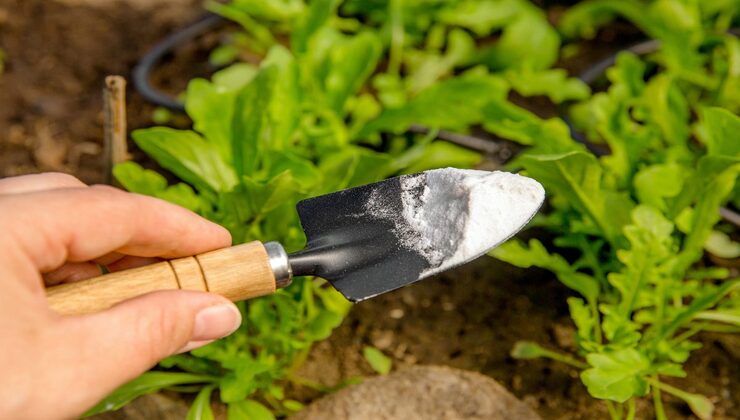
Unlocking the Power of Baking Soda for Plant Health
Baking soda, a household staple, has proven to be more versatile than just a baking ingredient. Beyond its culinary uses, it plays a pivotal role in ecological gardening practices, offering a natural solution for combating powdery mildew—a common challenge for plants like grapevines, zucchinis, and sage.
In agriculture, two forms of bicarbonate take center stage: sodium bicarbonate and potassium bicarbonate. Although these compounds share similarities, their distinct properties make them valuable assets in organic farming, serving as effective fungicides. The affordability and accessibility of baking soda make it an ideal choice for both family allotments and traditional gardens.
Sodium Bicarbonate vs. Potassium Bicarbonate
Understanding the differences between sodium bicarbonate and potassium bicarbonate is crucial. While sodium bicarbonate enhances the natural defense mechanisms of plants, potassium bicarbonate is primarily considered a pesticide. The latter falls under existing pesticide regulations, with effectiveness limited to one day.
Professional farmers, with the required authorization, can use pesticides with specific guidelines, while hobbyist farmers enjoy different product formats. However, regulatory changes since 2015 have led to a reduction in harmful substances available for private use, promoting more environmentally friendly alternatives.
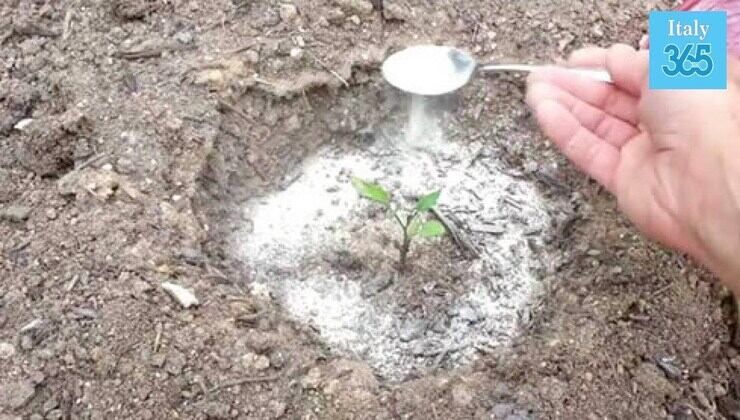
The Role of Baking Soda in Plant Protection
Baking soda, in its two variants, creates an inhospitable environment for harmful fungal mycelia by raising the solution’s pH. This hinders their growth, leading to dehydration and preventing further spread. However, the treatments are primarily preventative and do not restore plants with significant damage.
Implementing Treatments with Baking Soda
Prompt intervention is essential at the first signs of disorder for effective results. The use of sodium bicarbonate ranges from 500g to 1500g per hectoliter of water, catering to both large-scale agriculture and smaller-scale crops. Adhering to recommended dosages is crucial to avoid potential burns or pH imbalances in the soil.
Potassium bicarbonate, detailed in commercial product labels, provides specific dosages for different species and precautions for use. Carrying out treatments during cooler periods is vital to prevent phytotoxicity, especially when ambient temperatures exceed 35°C.
By embracing the power of baking soda, gardeners can foster plant health with an eco-friendly approach, ensuring lush and thriving landscapes.