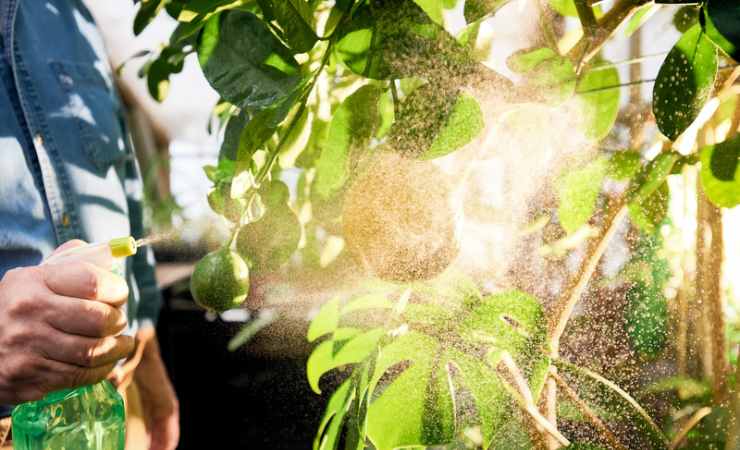
Guarding Plants Against Fungal Diseases: A Reliable Solution
As the allure of beautiful days beckons, the inclination to enhance our homes and gardens with vibrant plants becomes irresistible. Cultivating plants not only adds brightness and color to our surroundings but also promises the enjoyment of homegrown delights such as tomatoes, cucumbers, zucchinis, eggplants, and more. Yet, the journey of nurturing plants demands careful attention to ensure their robust and healthy growth. Unfortunately, the threat of plant diseases looms, but fortuitously, effective solutions exist to shield our green companions.
Mitigating Plant Diseases with a Simple Remedy
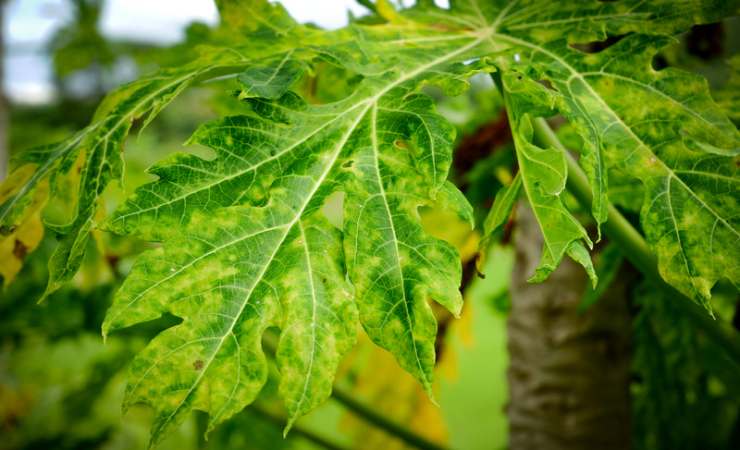
The summer season, characterized by temperatures exceeding 30 degrees Celsius, naturally aids plants in defending themselves against certain diseases. Downy mildew, a prevalent plant affliction, struggles to thrive in such warm conditions. However, with the onset of rain, the scenario undergoes a transformation. As temperatures drop, humidity rises, creating ideal conditions for the proliferation of fungal diseases in plants.
Downy mildew predominantly targets tomato plants and grapevines, though no plant is entirely immune. To safeguard our plants from falling victim to disease, turning to organic preparations for spraying proves to be an effective preventive measure.
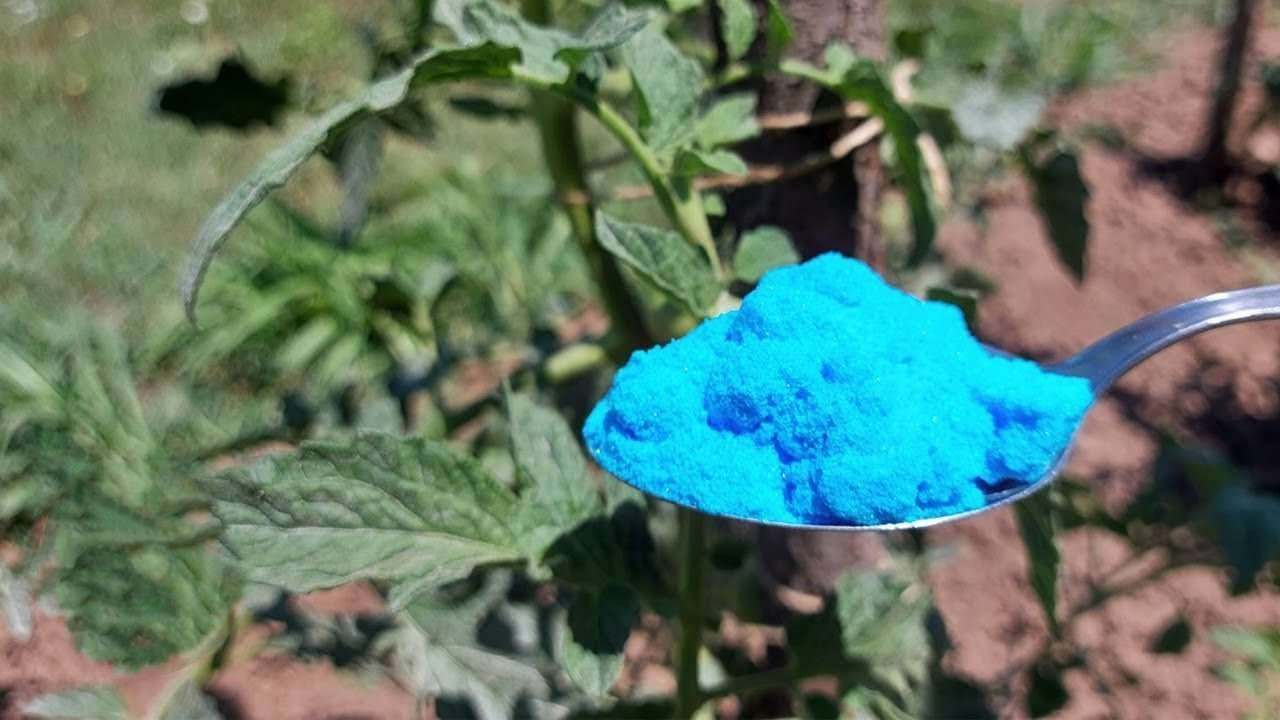
For instance, copper sulfate stands out as a widely used product for protecting plants, exhibiting excellence in shielding vines, vegetables, and fruit. With a historical usage dating back to ancient times, copper sulfate functions as a potent fungicide and bactericide. Given its chemical nature, it’s advisable to apply copper sulfate when temperatures are not excessively high to avoid exacerbating the situation due to heat.
Best Practices with Copper Sulfate
Ideally applied during autumn and winter, copper sulfate serves as a protective shield for plants. For tomato plants, it is recommended to spray copper sulfate approximately two weeks before the fruits ripen, ensuring a safeguarded harvest.
Alternative Organic Solutions: Baking Soda and Milk
In addition to copper sulfate, baking soda and milk emerge as commendable defenses against fungal diseases. Particularly during fruit ripening, avoiding chemical products is advisable, making baking soda and milk safe alternatives.
While these solutions may be considered less potent than copper sulfate, their protective efficacy remains satisfactory. It is recommended to spray the bicarbonate or milk solution on the plants at least once a week. Remarkably, the fruits treated with these solutions can be harvested and consumed immediately after spraying. Over a short period, the plants will exhibit robust and healthy growth, free from the looming threat of fungal diseases.