

Unveiling the Art of Crafting Natural Plant Fertilizer
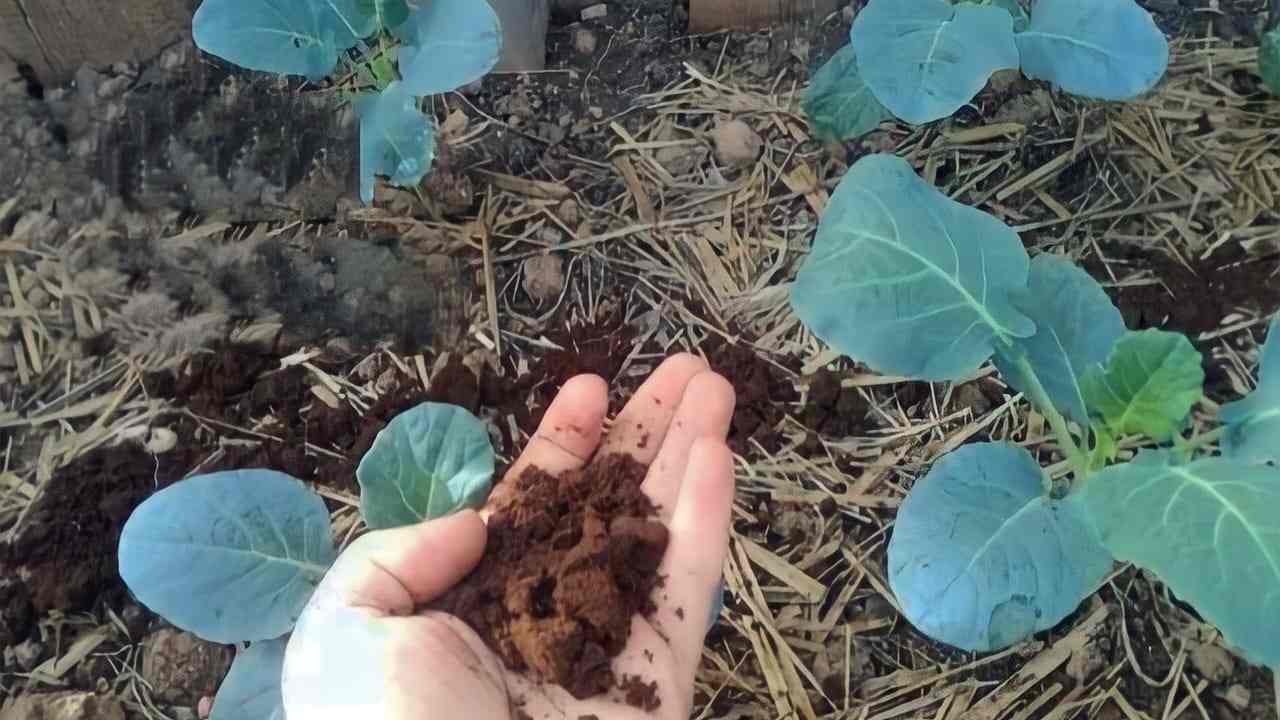
Tending to plants involves more than mere watering; it entails a careful consideration of various factors, with fertilization being a key aspect. Bid farewell to conventional chemical fertilizers as we delve into the secrets of creating a perfect natural fertilizer for plants using a single, readily available ingredient. Prepare to amaze your neighbors with this simple yet effective trick that transforms common household items into an incredible source of nourishment for your green companions.
Crafting Natural Fertilizer: A Sneak Peek
Achieving a healthy and balanced growth for plants demands dedication and attention, especially when it comes to selecting the right fertilizers. Whether you have a modest green space or a full-fledged vegetable garden, providing the proper amount of nutrients is crucial for optimal flowering and plant longevity. While various fertilizers flood the market, their potential harm to the environment and human health due to chemical content makes them less appealing.
Fortunately, a solution lies within our homes – coffee grounds. This readily available byproduct can be repurposed into an excellent natural fertilizer, offering a sustainable alternative. Let’s explore the simple yet effective process of transforming discarded coffee grounds into a powerhouse of nutrients for your plants.
The Procedure Unveiled
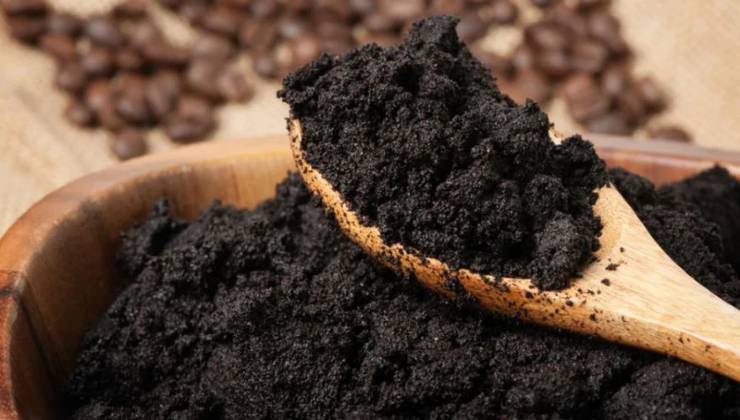
Often relegated to the trash bin, coffee grounds are surprisingly rich in nitrogen, calcium, magnesium, and antioxidants, constituting an ideal nourishing blend for the soil. Moreover, they double as a natural repellent against various pests, adding an extra layer of benefits to this humble ingredient.
To begin, acquire a one-and-a-half-liter plastic bottle and fill it with a liter of water. Employing a funnel, introduce approximately 4 tablespoons of coffee grounds into the bottle. Adjust the water level if needed, ensuring a well-mixed composition. Seal the bottle and give it a good shake. Allow the mixture to rest for two days before incorporating it into your plant care routine.
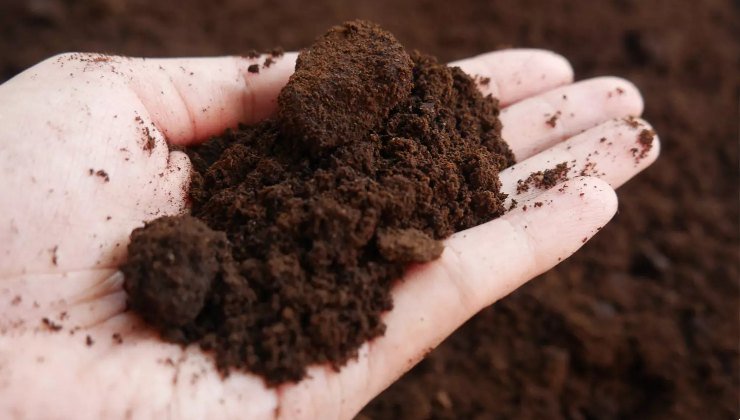
This uncomplicated procedure transforms coffee grounds into an affordable and potent natural fertilizer. While it boasts numerous beneficial properties, it’s essential to note that not all vegetables thrive with this type of fertilizer. Vegetables like broccoli, radishes, tomatoes, and sunflowers may be adversely affected as coffee grounds have the potential to disproportionately increase the soil’s pH.
Embrace this ingenious approach to elevate your plant care routine, contributing to both environmental sustainability and the well-being of your cherished greenery.


