Crafting Your Own Organic Fertilizer: A Budget-Friendly Delight for Lush Gardens
The essence of the best endeavors often lies in the hands-on approach, especially when it comes to nurturing our gardens. The pinnacle of this ethos is reflected in creating your own organic fertilizer – a cost-effective yet powerful solution for thriving tomato and cucumber plants. For gardening enthusiasts, this article unveils a step-by-step guide to concocting an exceptional organic fertilizer without breaking the bank.
Understanding Organic Fertilizer
Organic fertilizer stands as a beacon in the realm of plant nutrition, providing a natural means to foster the health and vitality of your beloved plants. Unlike its chemical counterparts, organic fertilizer is a harbinger of environmental friendliness, devoid of harmful substances. Its advantages are manifold, contributing not only to the flourishing of plants but also to the enhancement of soil quality.
This natural elixir delivers essential nutrients, including nitrogen, phosphorus, and potassium, crucial for robust and disease-resistant plant growth. Furthermore, organic fertilizer promotes the activity of beneficial microorganisms in the soil, fostering the breakdown of plant materials into nutrient-rich compost. The infusion of organic matter into the soil serves as a long-term investment, acting as a natural water reservoir and providing structural support to plant roots.
The Merits of Organic Fertilizer
The superiority of organic fertilizer over its synthetic counterparts extends beyond mere sustainability. Its natural origins contribute to a healthier environment, devoid of toxic substances detrimental to both soil and plants.
As the organic matter in the fertilizer enriches the soil structure, the long-term benefits are evident. It curtails desertification and reduces the reliance on irrigation. Additionally, organic fertilizer champions plant health without unwarranted side effects, aligning with nature’s gradual nutrient release, which nurtures optimal plant growth.
By opting for a natural fertilizer, you actively participate in fostering a balanced and harmonious environment for all cultivation stakeholders, from microflora to bees to birds, creating a synergistic ecosystem.
Crafting the Best Cheap Organic Fertilizer
The epitome of affordable yet effective organic fertilizer lies in crafting it at home with minimal resources. Instead of investing in expensive pre-made compost, a simple concoction can be created, delivering outstanding results for tomatoes and cucumbers.
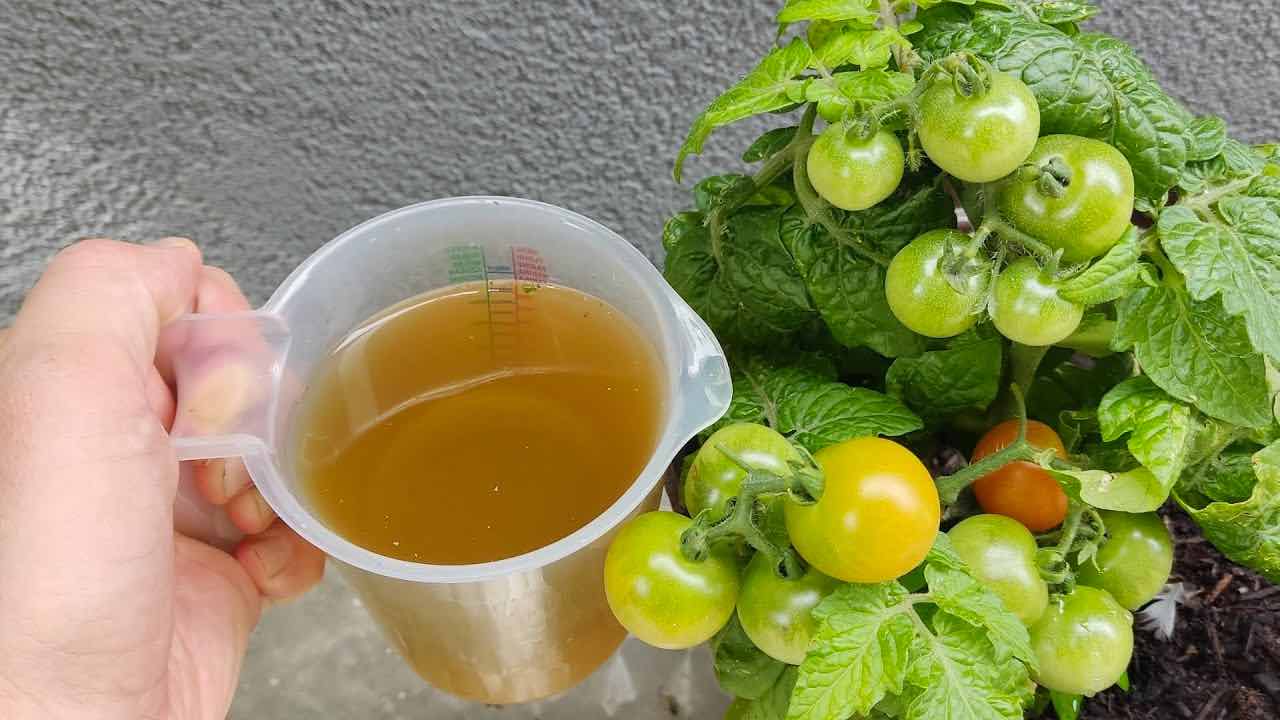
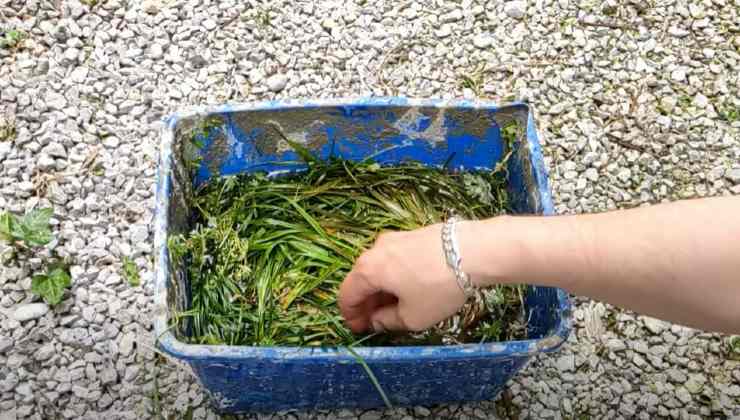
To initiate this process, secure a plastic bucket or barrel, as metal containers may react during fermentation. Fill three-quarters of the chosen receptacle with freshly cut grass, ensuring the vegetable mass is completely covered with water. To expedite fermentation, introduce sugar, baking powder, and chopped bread crusts. For an extra boost, a small amount of wood ash can be added.
The fermentation process, contingent on weather conditions, typically spans two weeks. Once ready, the solution, rich in nitrogen, phosphorus, potassium, and vital micronutrients, can be diluted in water (at a ratio of 1:10) and applied to vegetable plants.
Optimizing Organic Fertilizer Usage
To harness the full potential of organic fertilizer, consider these tips:
- Even Application: Ensure even distribution on soil or plants, preventing accumulation in specific areas.
- Dilution Precision: Follow product label instructions for diluting liquid fertilizer to avoid nutrient concentration damage.
- Moderation is Key: Adhere to recommended doses, as excessive nutrients may harm plants.
- Timing Matters: Align fertilizer application with plant needs during growth or flowering phases.
- Proper Storage: Store organic fertilizer in a dry, cool place, shielded from direct sunlight and heat, to preserve its efficacy.