

It’s hard to imagine, but medicine bottles can also be recycled. Here’s the helpful way to give them a second life.
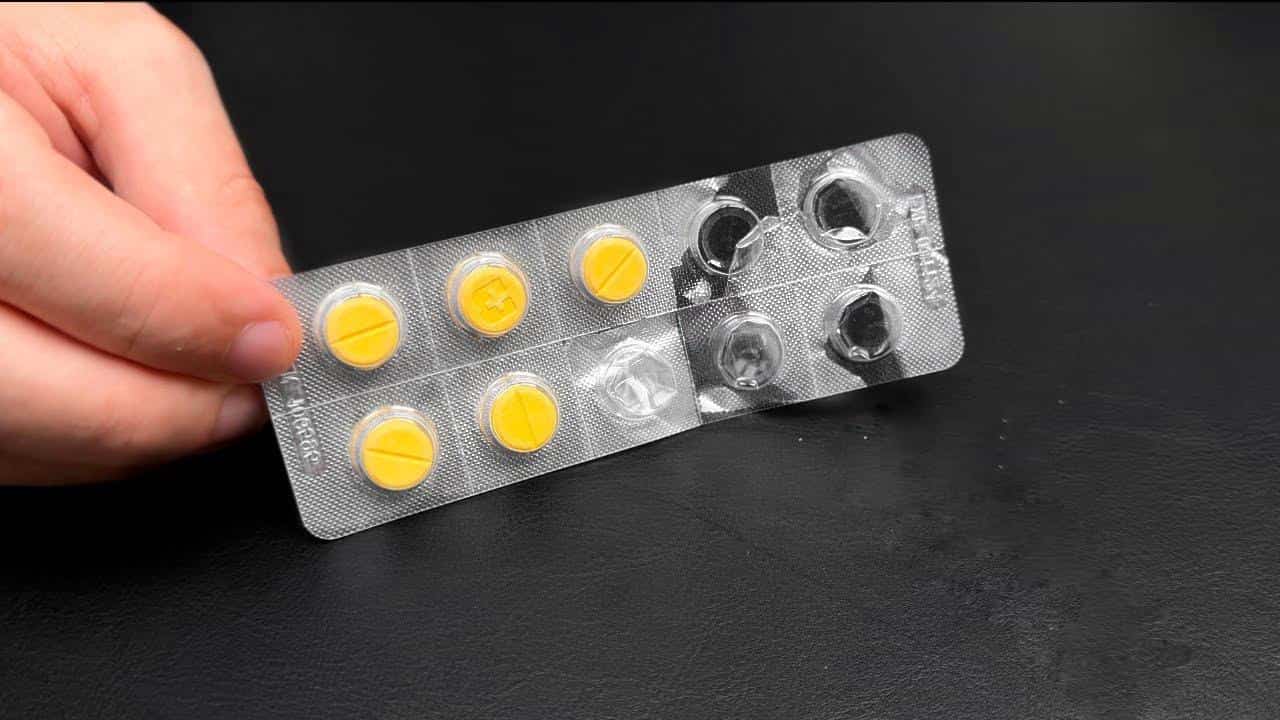
When we use medicines, we often pay little attention to the boxes in which they are packaged and end up throwing them away. However, these small packages can play a bigger role in our daily lives and the environment than we think. In this article, we’ll explore the reasons why we should think about stockpiling medicine containers and, surprisingly, how they can even help solve one of the most common household problems: a burnt-out light bulb.
Boxes of medicines, how to recycle them
Storing first aid kits is a small gesture with a big environmental impact. Even if they seem insignificant, their accumulation can have a major impact on the environment, considering how many boxes are thrown away every day around the world.
Therefore, the first benefit of storing first aid kits is to reduce waste and encourage recycling. Let’s always remember to dispose of them properly, following our country’s recycling guidelines to improve the environment. Alternatively, we can reuse them.

In addition to environmental sustainability, medicine bottles can also play a creative role in solving everyday problems, such as a burnt-out light bulb. When a bulb stops working, we usually consider it irreparably damaged and replace it with a new one. However, a typical aluminum blister pack in medicine cabinets could provide an unexpected solution to fix the bulb without having to replace it.
Safety first: Before performing any work on the bulb, make sure the switch is off to avoid electric shock. In such work, safety should always come first.
How to repair a bulb thanks to a bubble
The first step is to remove the bulb. Carefully remove the burnt bulb from the socket. Allow to cool completely to avoid burns. Then take an empty medicine box and carefully remove the foil ampoule. Be careful not to hurt yourself with sharp corners.
Using scissors or a box cutter, cut the aluminum bubble into a rectangular shape that completely covers the bottom of the bulb. This blister acts as a bridge between the contacts of the bulb and those of the socket.
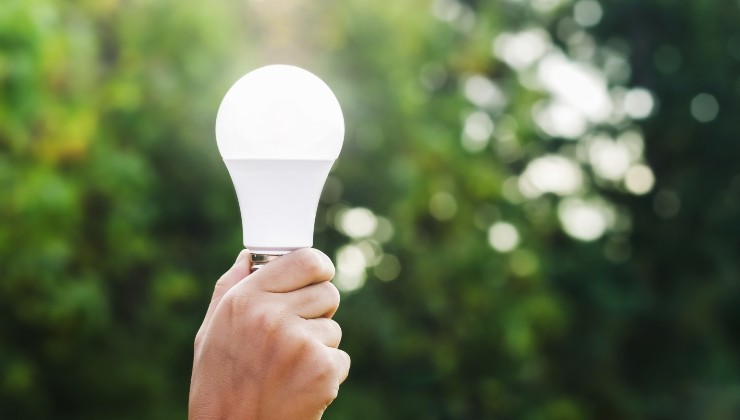
Place the aluminum blister pack at the bottom of the bulb so that the metal contacts are completely covered. Make sure it’s well positioned and stable. Always carefully reinsert the repaired bulb into the socket.
Then it’s time to check if our method has been helpful. Turn on the switch and check if the bulb is working again. If everything has been done correctly, the bulb should shine properly again.
This method is only a temporary solution and does not solve more complex problems with the electrical system or the bulb itself. In case of repeated failures or other problems, it is imperative to consult a qualified electrician.
Storing medicine doses is an ecological gesture with many benefits both for the environment and for our wallets. In addition to reducing waste and promoting recycling, these boxes can also find unexpected uses, such as temporarily repairing aluminum blister lamps.
Experimenting with ways to reuse and recycle these materials helps us reduce our environmental footprint and develop greater awareness of waste management. In addition, we have the opportunity to save money and show creativity to come up with ingenious solutions to common household problems.


