

To remove grease and dirt from dishes, some people use hot water while others prefer cold water washes. However, the handwashing temperature of the dishes is very important. Find out which one removes dirt the most effectively.
To clean dirty plates and utensils, it is best to use a specific water temperature that allows you to wash better thanks to its effectiveness on dirt.
Should I wash the dishes in hot or cold water?
To wash dirty dishes, many people wonder whether cold water or hot water is effective in descaling and removing dirt from plates, forks, spoons and knives. Hot water or cold water? Which is more effective at removing residue with your detergent products.


Dirty dishes – Source: spm
– Wash the dishes in cold water
If it is sometimes recommended to use a cold temperature as washing water, it is because it is particularly effective against certain traces such as that of oatmeal porridge or eggs. Using hot water on the contrary makes them sticky on the surface .
In addition, to reduce energy consumption , it is preferable to wash your dishes by hand and in cold water rather than in the dishwasher. Only, it will be necessary to disinfect these surfaces with a jet of hot water which will take off the grease with the exception of the proteins which dissolve easily under cold water . One can take as an example the rinsing of the pot of porridge which is much more practical and easier to remove with cold water rather than with hot water.
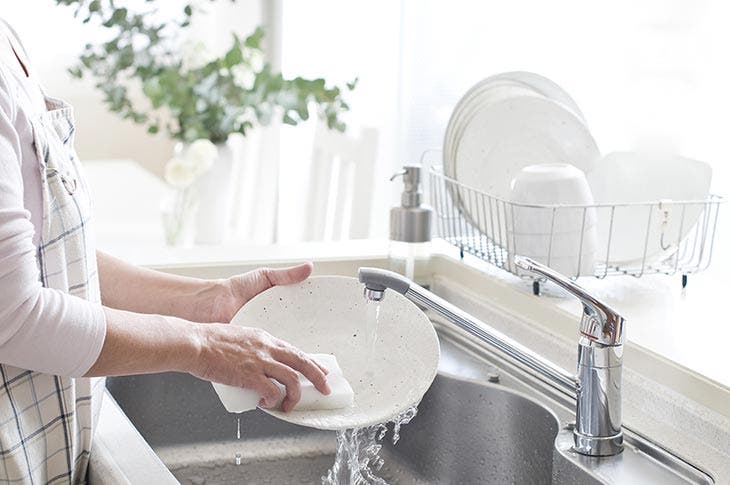
Anti-limestone action – Source: spm
– Wash the dishes with hot water
If it is recommended to use your sponge and cleanser with warm or hot water, it is because first of all, the cold can cause pain and make you sick, especially in winter. During this season, it is best to heat the water to dissolve dirt from plates , pots and other cutlery.
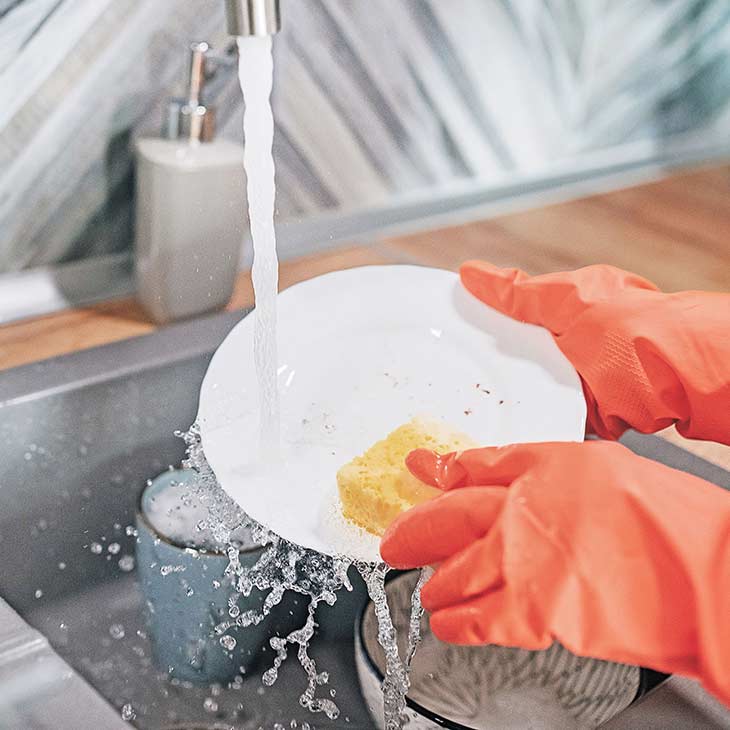
Removing dirt from plates – Source: spm
Then you want to enjoy an antibacterial effect , it is rather recommended to use hot water. And for good reason, the latter kills germs, pathogenic organisms and all other impurities. If you have used cold water to neutralize a stain with dishwashing liquid, you will need to rinse with hot water to eliminate residual bacteria and have shiny dishes.
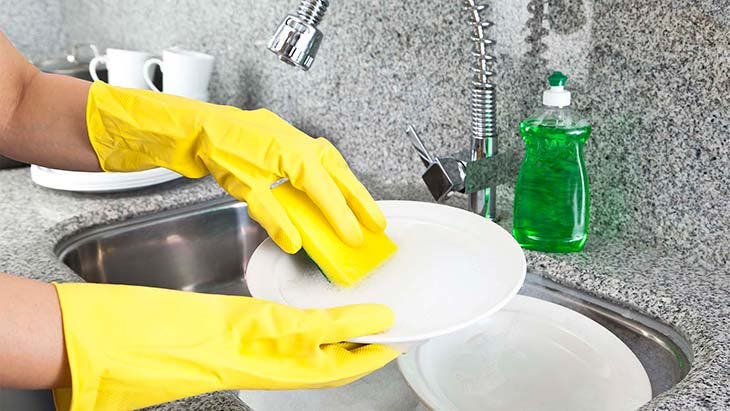
Scrub the plates – Source: spm
Moreover, if it is preferable to put hot water in the basin while you do the dishes, it is not only because this gesture cleans your cutlery in depth. A high temperature is recommended to remove grease from the surfaces you want to clean. Cold water is ineffective in breaking down fat. Worse, it makes it slimy and harder to clean . To remove dirt that can cause bad odors, hot water is ideal because it allows you to do less friction and effort to clean your plates without damaging them. This reduces your water consumption in addition to offering you more efficiency during this task. It is recommended to adopt a biological cleaner or baking soda which will be less harmful to your health and the environment .
What water temperature should you choose to clean your dishes?
As you will have understood, cold water cleans but is not effective in dissolving stubborn grease stains. Conversely, hot water gets rid of these traces more effectively. By adopting this temperature, you will overcome dirt and bacteria. If you absolutely want to use cold water to clean your dishes, it is recommended to use a strong cleaner or white vinegar, an effective antibacterial. After washing, it is advisable to wash your hands with warm water to avoid thermal shock.
To take advantage of an effective descaling effect against dirt, it is best to use dishwashing liquid with hot water. This acts as a perfect rinsing liquid that will allow you to minimize your water consumption!


