

Sansevieria, also known by the scientific name Sansevieria trifasciata, is an easy-to-grow plant. It is also popularly known as tiger tongue, cow’s tongue, mother-in-law’s tongue, cat’s tongue, tiger’s tail, and St. George’s sword. It is a very decorative and resistant plant. Sansevieria resists very well at both high and low temperatures (down to -5 ° C). In addition, it is a plant that helps clean the air inside the house.
Sansevieria or mother-in-law’s tongue has this name because of its leaves. This is due to the comparison of their long leaves to the (mockingly) long tongue that was attributed to the “most talkative mothers-in-law” for speaking and criticizing their respective genders.
Sansevieria, not even a dry yellow leaf: if you do this you will always have it lush and strong!
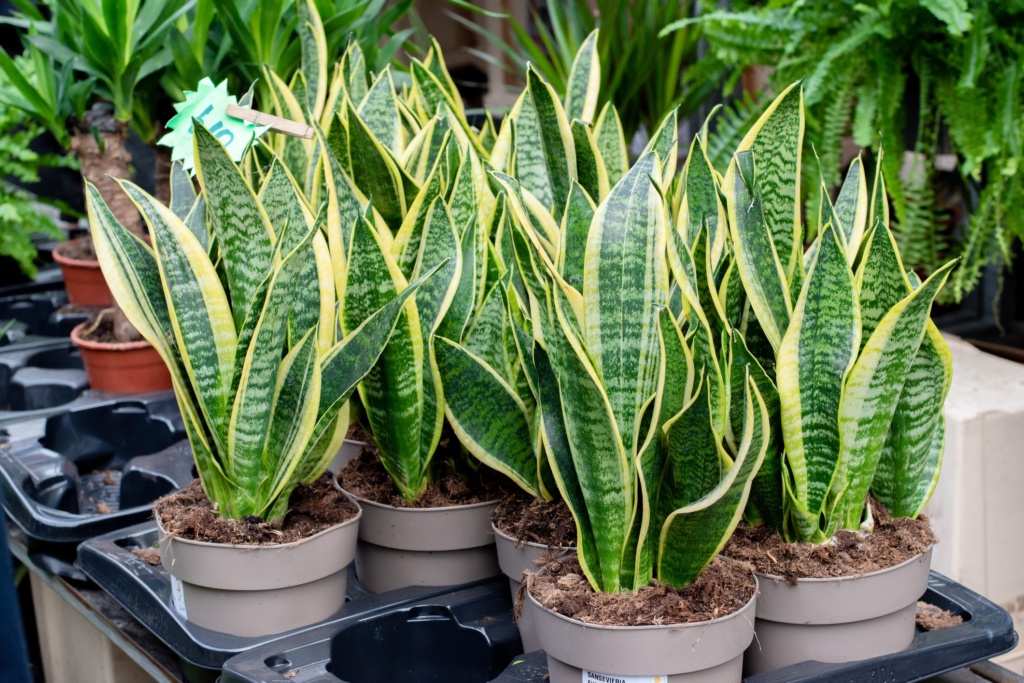
Sansevieria, also known as mother-in-law’s tongue, is one of the plants recommended by NASA (National Aeronautics and Space Administration of the United States) to remove toxic substances such as benzene, toluene, xylene and formaldehyde from the air we breathe.
- Light: despite being very resistant, it is ideal to place it in places with a lot of light.
- Temperature: the ideal is between 15 and 20ºC, although in summer it can withstand temperatures of 30º. Avoid drafts.
- Watering: If you want to keep it vigorous, don’t overwater and only when the soil is dry. In winter it needs water only once or twice a month, always depending on the temperature of the indoor environment. We should consider it as a succulent plant, so it should be watered only when the substrate is dry. Excess water can cause rot of the rhizome (underground stem with several shoots growing horizontally, emitting from the roots of the nodes and herbaceous shoots). It does not like humid environments, so it is preferable to avoid spraying or spraying water.
- Transplanting: if the pot has become small, it is ideal to move it to a larger one when spring begins, between March and April. To ensure good drainage, it is advisable to place a few pieces of terracotta or stones at the bottom of the pot to prevent the support from being completely impregnated with water. If it is not transplanted, it is advisable to renew the upper substrate: remove 3 cm of surface substrate and put in new soil.
- Compost: Apply compost when temperatures start to rise steadily (late spring and early summer) and do it once a month until temperatures start to drop again (fall).
- Pruning: sansevieria does not require pruning, but it is advisable to remove dry leaves to avoid diseases.
- Flowering: This tropical plant usually does not bloom indoors, but if it does, small flowers will appear in late summer.
- Extra care for sansevieria: Try not to touch the tips of the leaves, as they are sensitive and can be easily damaged.
How to revive mother-in-law’s tongue again? Do it!
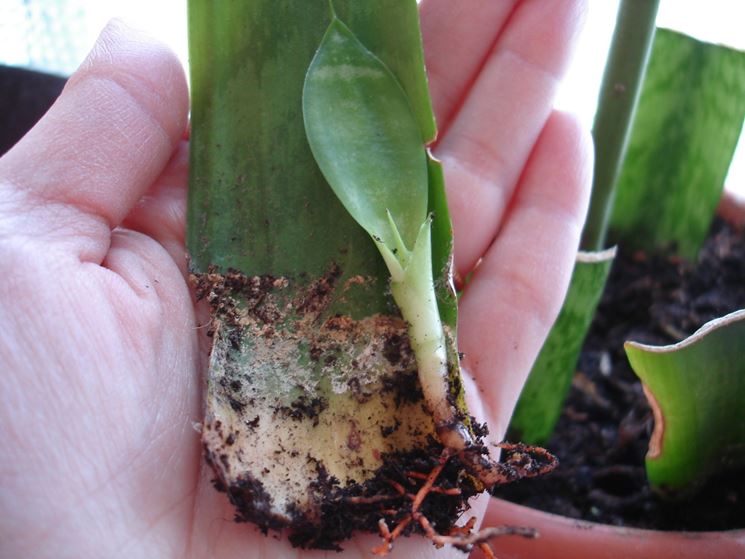
Sansevieria is generally a very easy plant to care for. If some leaves start to wilt and turn yellow, you need to take care of watering. As they are indoor plants, low temperatures can play tricks on you. Therefore, you should always take into account if it lacks water so that the sansevieria does not rot or be attacked by fungi.


