Unlocking the Potential Growth of Cucumbers: A Guide to Proper Nutrition
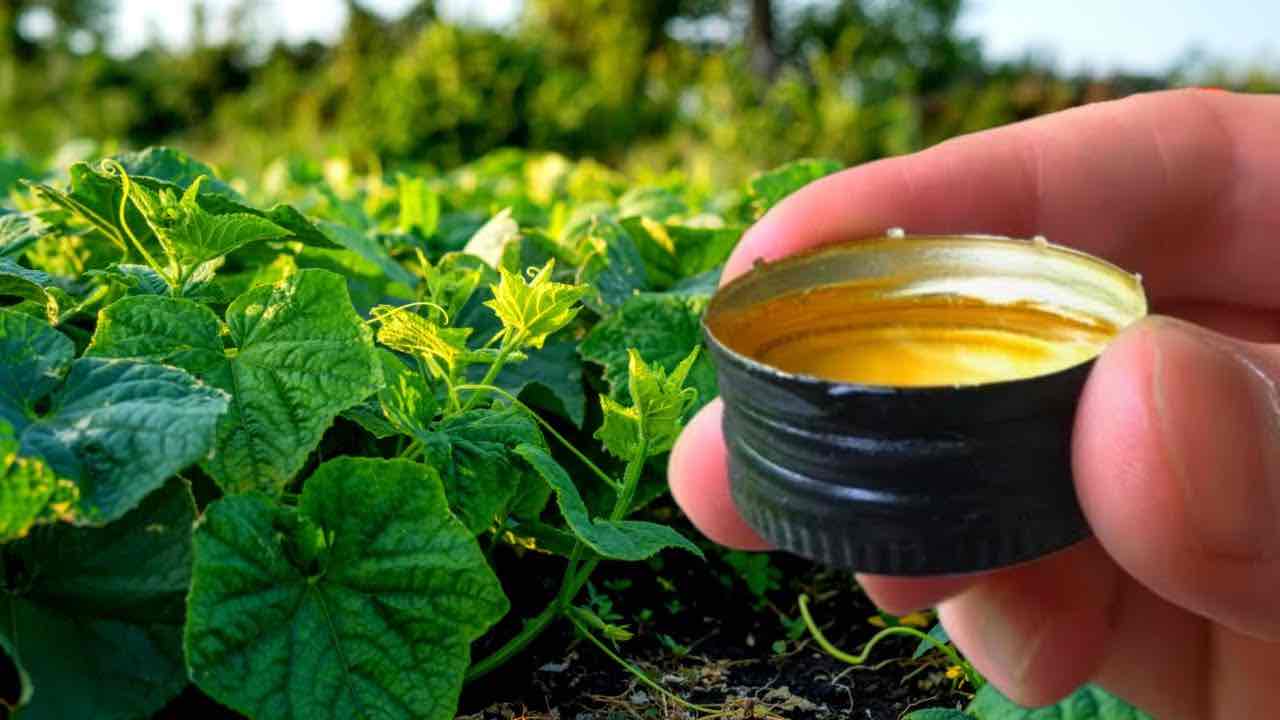
Cultivating thriving cucumber plants requires a hidden ingredient that, when applied beneath the vines, can amplify their numbers and foster flourishing growth. The crucial factor in ensuring a bountiful harvest lies in the correct feeding of cucumbers.
Neglecting this critical stage in their care can lead to stunted growth, slow development, and the production of unsatisfactory, misshapen fruits unfit for pickling and lacking in taste. To optimize growth and development, it’s imperative to comprehend the hows and whats of effectively fertilizing cucumbers.
Insufficient nitrogen manifests through pale green leaves and small, spindly fruits, with slowed plant growth and deteriorating roots. A potassium deficiency renders cucumbers susceptible to diseases, causing bronze-colored leaves and distinct browning at the edges. Magnesium deficiency is indicated by light green patches on lower leaves, progressing to yellowing and leaf loss.
In case of low cucumber yields, delayed ripening may indicate a manganese deficiency. Conversely, adequate manganese levels facilitate intense respiration, enabling cucumbers to assimilate essential nutrients effectively.
Knowing when to feed cucumbers is crucial for optimal growth. Commencing feeding two weeks after planting and continuing monthly is the recommended schedule. Feedings occur at specific intervals: two weeks after planting, after flowering, when fruits appear, and a final stage for those seeking prolonged plant lifespan.
To meet cucumber nutritional requirements, ensure a constant supply of essential nutrients—nitrogen, phosphorus, and potassium. Well-draining soil rich in organic matter, such as compost or well-rotted manure, is vital, alongside consistent watering to avoid drought stress. Vigilance against pests and diseases like cucumber beetles and powdery mildew is essential for a healthy, productive harvest.
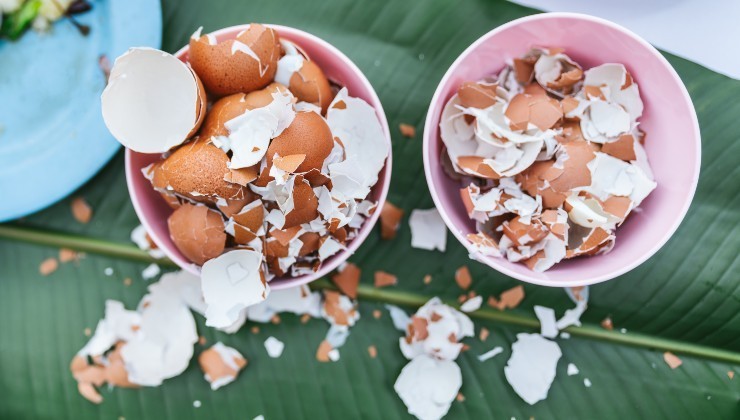
Traditional remedies offer potent solutions for nourishing cucumber plants. Eggshells, with their rich composition of calcium carbonate, magnesium, phosphorus, organic protein, and potassium, have proven effective. Wood ash serves dual purposes—pest management and disease prevention, particularly during flowering and fruiting. Onion skins, in decoction form, combat diseases, pests, and enhance environmental adaptability.
Using manure as fertilizer is crucial, but caution must be exercised to prevent overgrowth. Yeast, rich in nitrogen, phosphorus, and potassium, stimulates growth when applied correctly. Potato peels, containing organic acids, fats, potassium, starch, vitamin C, glucose, and salt, enrich soil composition and promote cucumber growth, albeit attracting pests.