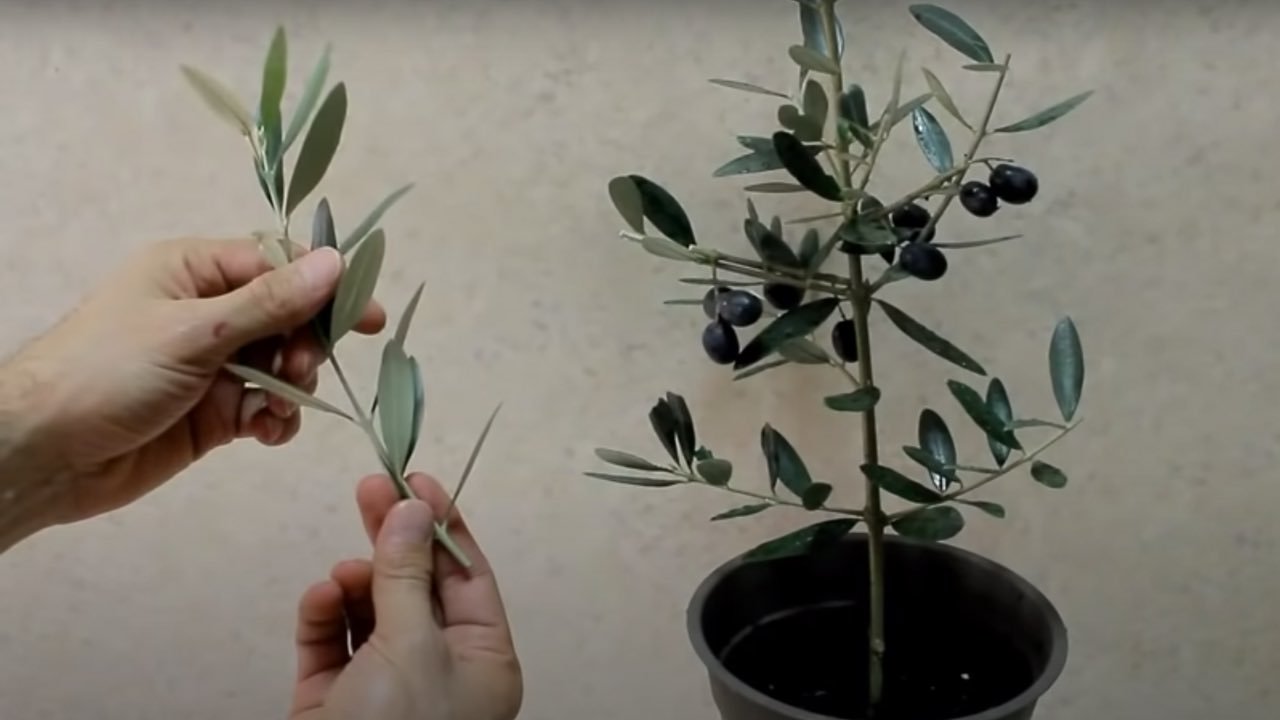
Olive tree, the trick to multiply it infinitely from 1 sprig: all at zero cost
Unlock the secrets to multiplying olive trees effortlessly by utilizing a small branch. Even without a green thumb, one can achieve remarkable results by understanding the tricks of the trade and applying them effectively.
Olive Tree Multiplication: A Rewarding Endeavor
Achieving the reproduction of olive trees, leading to the birth of robust specimens, doesn’t require an expert touch. Even those unfamiliar with cultivating nature can witness exciting results with minimal effort. For individuals blessed with spacious gardens, the prospect of planting additional olive trees is an endeavor that demands little time but promises immense satisfaction.
Ideal Conditions for Olive Tree Survival
Regions in southern Italy, in particular, offer optimal conditions for the survival of olive trees. However, attempting to plant an olive tree in central or even northern regions is not out of the question. The olive tree, known for its resilience, thrives in various conditions, encompassing diverse soils and climates. Those constrained by limited space can opt for pot cultivation, deferring concerns about space until the plant outgrows its container.
Understanding Olive Tree Multiplication
The multiplication of olive trees occurs through either sexual or vegetative reproduction. Sexual reproduction involves fertilizing the female part of the flower, typically resulting in offspring with characteristics inherited from the parents. On the other hand, vegetative reproduction relies on cell divisions of the mother plant, yielding offspring identical to the parent.
Propagating Olive Trees Through Branch Cuttings
To initiate the propagation of olive trees through branch cuttings, select a robust olive tree and choose a branch that is at least one year old. Opt for a branch with vibrant, green bark from a sturdy and healthy tree to ensure the desired outcome. Submerge the chosen branch in water for 12 hours, and subsequently, place it in a box with controlled temperature, watering it daily.
Prepare a soil mixture comprising one part peat, one part garden soil, and one part mature manure to cover the vase and accommodate the branch. After two months of consistent daily watering, the branch will develop roots. At this juncture, transfer the rooted cuttings into the soil, allowing them to thrive, grow, and mature into beautiful, sturdy olive trees capable of bearing fruit in the subsequent years. This straightforward, economical method allows for the expansion of olive tree specimens on balconies or gardens, offering a gratifying outcome without substantial financial investment.