Choosing the Right Spot: Plants that Should Avoid the Windowsill
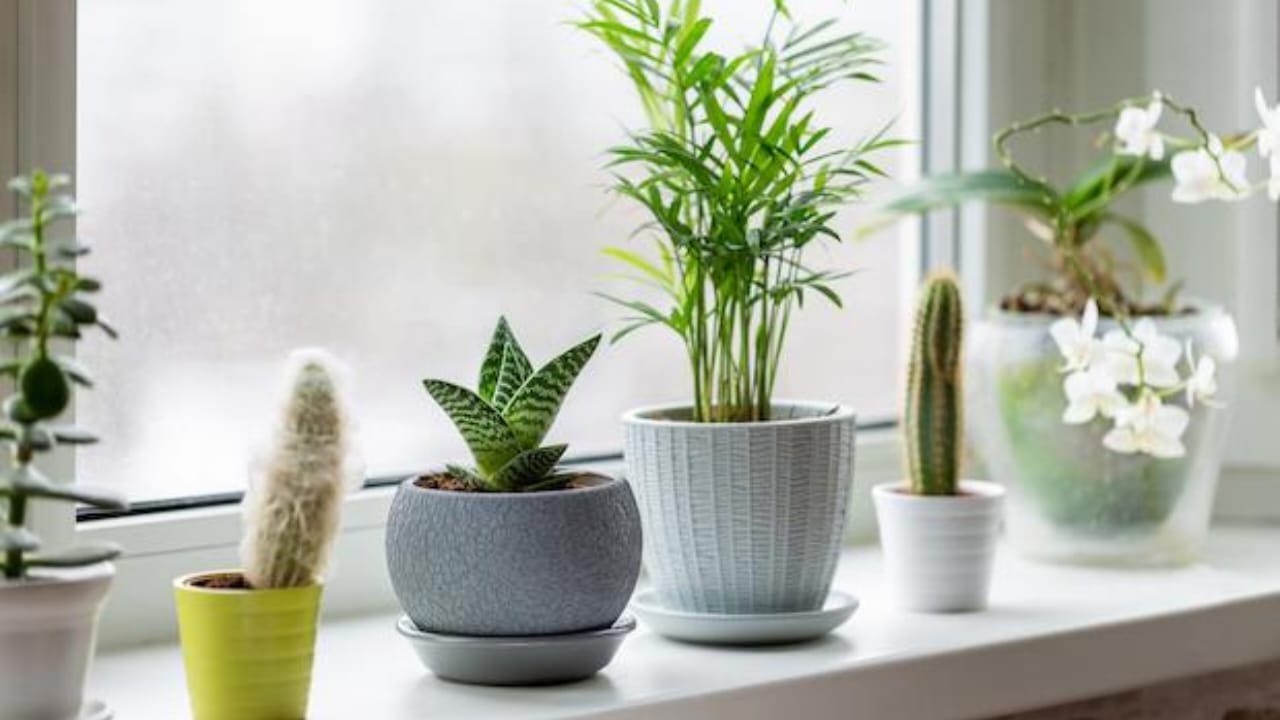
In the charming ambiance of Italian homes, the presence of plants and flowers is a common practice, adding a touch of nature to interior spaces. While the allure of colorful flowers is undeniable, it is crucial to heed the advice of expert nurserymen, especially when it comes to selecting suitable locations for certain plants. There are specific varieties that, contrary to popular belief, should steer clear of the windowsill to ensure their thriving existence.
Plants Unsuited for the Windowsill
While the windowsill seems tailor-made for showcasing plants, some varieties are better off placed elsewhere due to their specific light and humidity requirements. Direct sunlight, often abundant on windowsills, can have detrimental effects on certain plants, leading to burned leaves and stunted growth. Let’s delve into the types that should never grace the windowsill:
1. Orchid
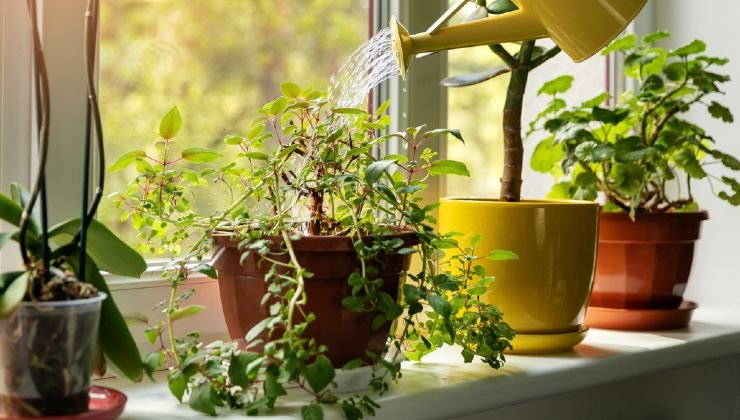
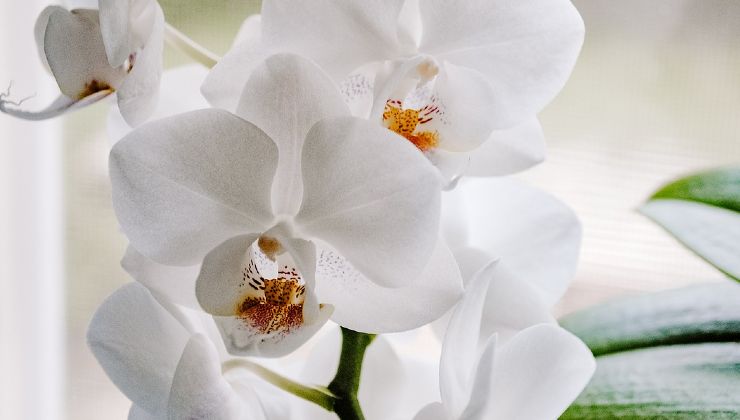
Renowned for its exquisite flowers, the orchid is a delicate plant that shuns the windowsill. Requiring consistent humidity, exposure to direct sunlight can result in burned leaves, spelling doom within hours. If placed near a south-facing window, protective measures such as curtains become imperative to shield it from harsh rays. Maintaining an internal temperature below 24°C is vital for its overall health.
2. Christmas Cactus
This unique plant, fond of light but averse to direct sunlight, should be kept away from heat sources, with daytime temperatures not exceeding 21°C and nighttime temperatures not surpassing 18°C. While proximity to a window is acceptable, the windowsill should be avoided, ensuring protection from detrimental air currents.

3. Christmas Stars
A festive emblem, the Christmas star demands meticulous care for year-round vitality. Positioning it away from a windowsill with a heated radiator underneath is crucial. Exposure to air currents and temperatures exceeding 21°C can prove detrimental to its well-being.

4. Cyclamen
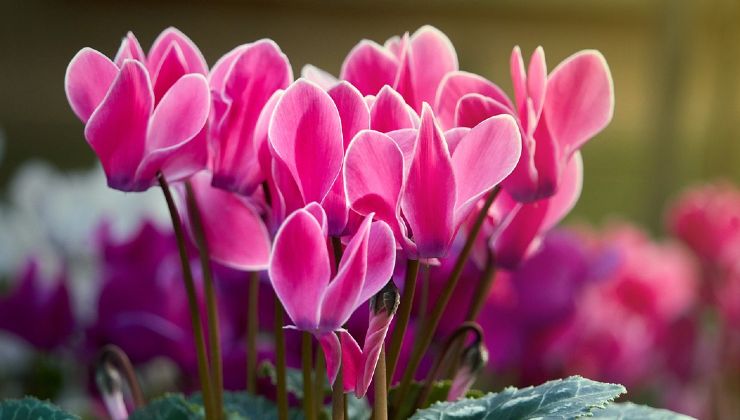
Adorned with vibrant hues, the cyclamen despises both heat and direct light. Consequently, the windowsill becomes an unfavorable spot, particularly during winter and summer. Optimal conditions involve a well-ventilated entrance with a temperature around 16°C. Alternatively, a north-facing windowsill can be suitable.