

If you have the habit of storing these 7 foods in the fridge, you are wrong. Here’s why and what they are.
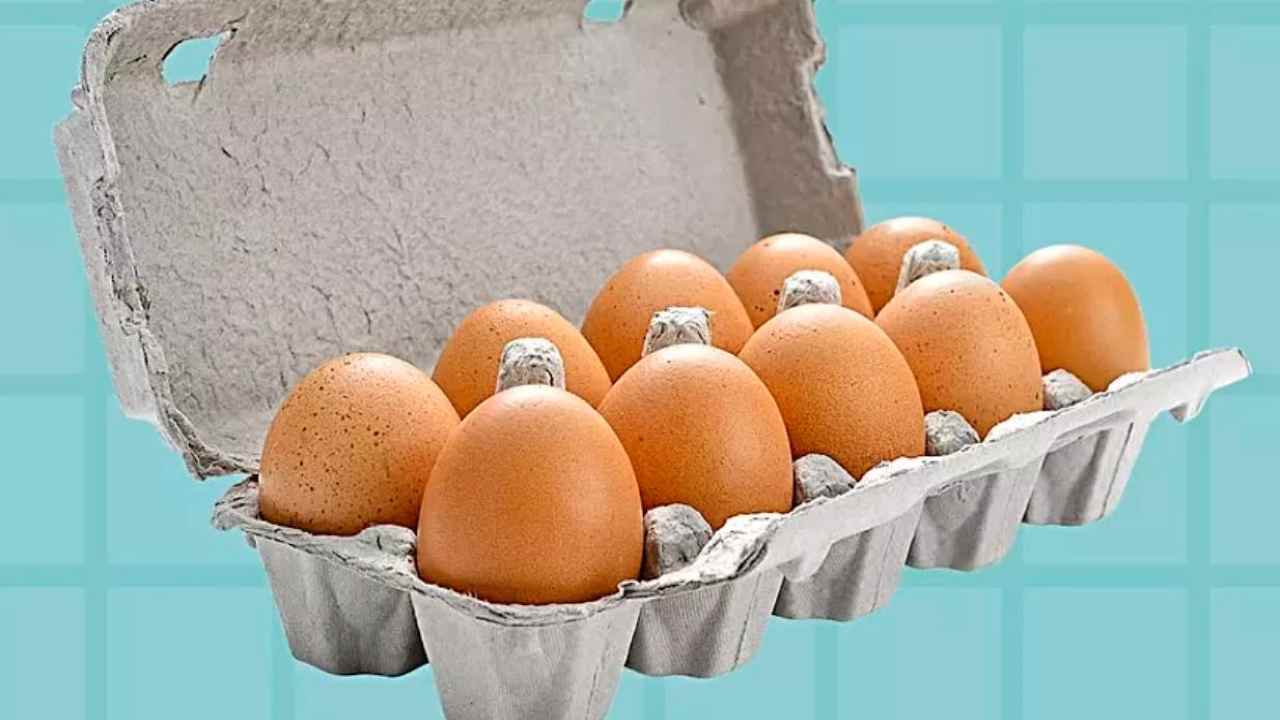
Due to the great heat we are experiencing these days, even food spoils more easily. And that’s how the first solution that comes to mind is to put them all in the fridge. But is it really the right thing to do? It may surprise you, but if you have a habit of storing these 7 foods in the fridge, you’re doing something wrong. Let’s find out what they are.
Watch out for these 7 foods in the fridge: bread
Putting food in the fridge is a common action that we carry out in good faith, convinced that in this way it will last longer and will not deteriorate. However, for some foods in particular the fridge is not necessary, in fact, it runs the risk of spoiling our food earlier than expected.
This is the case, for example, with bread. Putting it in the fridge may seem like a good idea if we are going to store it for several days, but the reality is that it changes its flavour and texture. Storing in the refrigerator, in fact, accelerates the maturation of the bread, which in this way dries out faster and looks more “chewy“.

In addition, bread has the ability to absorb odors from other foods stored in the refrigerator, so it can taste different as well. However, if we really can’t avoid keeping the bread in the fridge, we can take some precautions.
For example, it is wiser to opt for freezing: we cut our bread into slices and arrange them individually in freezer bags. At that point, simply thaw it and heat it in the oven to enjoy it as freshly baked.
Onion and garlic
Also be careful with the onion and garlic in the refrigerator. Onions, in particular, should preferably be stored in a cool, dry place when whole, for example in a cellar or pantry. The ideal temperature for their storage is around 7-13°, and they don’t like humidity. Therefore, putting them in the refrigerator is not the best solution.
Different situation for chopped onions. In this case, they are likely to deteriorate more easily. For this reason, it is advisable to store them in the fridge, possibly in an airtight container so that they are exposed to air as little as possible. This will also prevent the smell of the chopped onion from spreading throughout the refrigerator.
What about garlic? Its bulbs, like onions, prefer storage in a dry, cool, and well-ventilated environment, such as a pantry. Pay special attention to direct sunlight – not recommended at all for whole garlic bulbs.
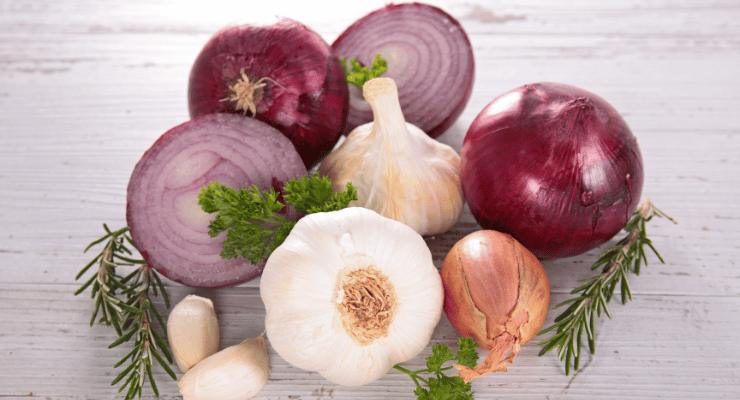
If, on the other hand, we need to preserve already cut garlic cloves, the fridge is the best option to preserve their freshness. As with onions, however, it is advisable to store garlic in an airtight container to protect it and prevent other foods from absorbing the smell.
We can store garlic cloves in the refrigerator on average for up to 2 weeks. However, it should be considered that when in the fridge, the flavor of garlic changes slightly, becoming more delicate.
Avoid these 7 foods in the fridge: avocado and potatoes
Can avocado be stored in the refrigerator? Yes, but it depends on the degree of maturity it is at the time we store it. An unripe avocado should preferably be kept out of the fridge until it is fully ripe. Otherwise, we would slow down its ripening, which would mean having to wait a long time before it can be consumed.
A ripe avocado, on the other hand, can be stored in the refrigerator if we intend to wait a couple of days before consuming it. This way, its freshness will persist longer.
To best store it inside the refrigerator, it would be good to wrap the avocado in a napkin or paper bag. By doing so, excess moisture will be absorbed and we will prevent our avocado from ripens too quickly.
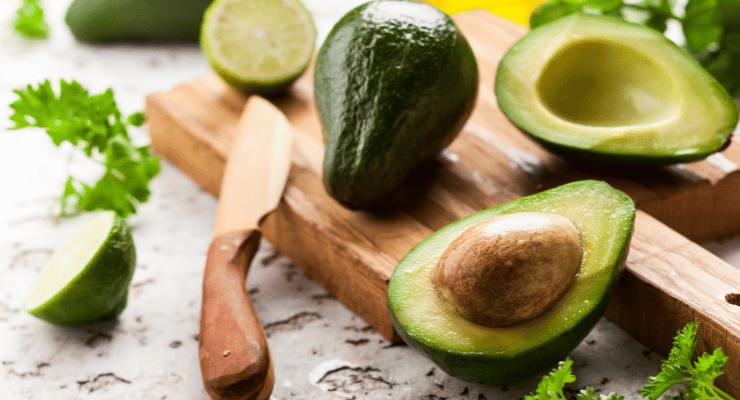
The refrigerator is also suitable for an already opened avocado, which can be kept fresh after passing lemon or olive oil over the flesh, to prevent it from oxidizing.
What about potatoes? These are vegetables that require a different method of preservation than other vegetables. Whole potatoes, in fact, are best preserved in a dark, cool environment with good ventilation. When placed in the refrigerator, the starch inside the potatoes can more quickly turn into sugar, changing their flavor.
If, due to the heat, there is no cool place to store them, we can opt for the refrigerator, however being careful not to leave the potatoes in the fridge for more than a week.
Tomatoes and olive oil
We come to a food whose conservation many tend to debate: tomatoes. Generally, it is not recommended to store tomatoes in the refrigerator, unless they have reached a high degree of ripeness and we want to store them for a few more days.
Why is the refrigerator not suitable for tomatoes? Mainly, as a matter of taste: a low temperature can change the texture and flavor of tomatoes, making them less flavorful and fibrous. To keep our tomatoes in perfect condition, the ideal is to store them at room temperature, protecting them from direct sunlight.
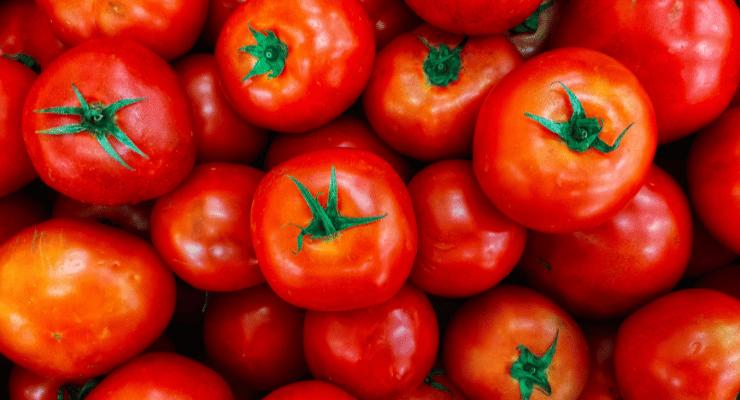
However, in case the tomatoes are really very ripe and we need to store them a little longer, we can put them in the refrigerator. Little tip: before consuming them once they are taken out of the fridge, let the tomatoes heat up to room temperature. This way, the taste will be better.
What about olive oil? The refrigerator, in this case, is not absolutely recommended: olive oil should be kept cool and in a dark place. The cold of the refrigerator, in fact, can make the oil thicker and cloudier, or lead to the formation of condensation inside the bottle, which would compromise the quality of our oil due to humidity.
Generally, olive oil should be stored at a temperature of 20-25° in an airtight container and away from direct sunlight.


