If you aspire to harvest robust and ripe tomatoes in your garden, there’s a secret ingredient you should add to the soil. It’s a simple step involving just a handful of a specific component, and once you’ve tried it, you won’t look back.

Creating a vegetable garden is a labor of love, requiring time, dedication, and a considerable amount of patience. For those cultivating tomatoes, adherence to strict rules is essential. Beyond the fundamental principles, unlocking the full potential of your tomato crop involves understanding certain secrets that can significantly ease the process and yield more satisfying results. Contrary to the belief that water and adequate sun exposure are sufficient, there’s more to the story.
For optimal results, intervention through the use of specific ingredients becomes crucial. We are referring to natural components that pose no harm to tomatoes or the cultivator. Indeed, these ingredients enhance the taste, appearance, and yield of our harvests. Let’s explore together which ingredient you should incorporate into the soil where your tomatoes are planted.
The Dynamics of Vegetable Gardens and Tomatoes
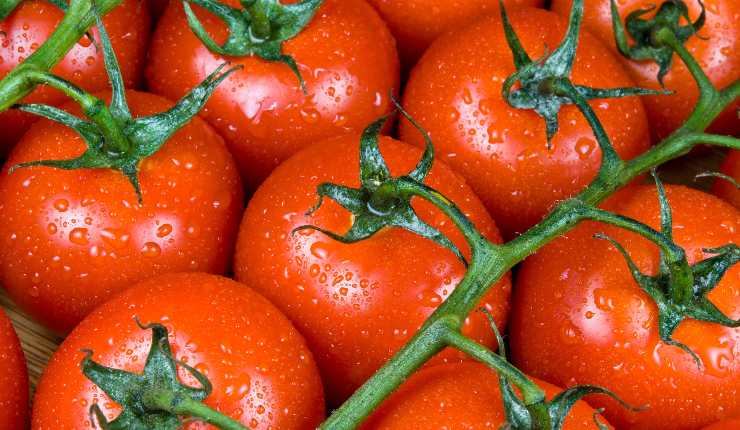
The pursuit of growing tomatoes entails creating them independently, ensuring a supply of fresh fruits without concerns about their origin or quality. Consuming produce from your garden guarantees unparalleled freshness. Yet, making tomatoes even better than supermarket varieties requires understanding that the cultivation of these fruits is straightforward but demands meticulous care. Planting tomatoes involves placing seeds below the surface, covering them, and watering them. Patience is key, as tomatoes take time to develop.
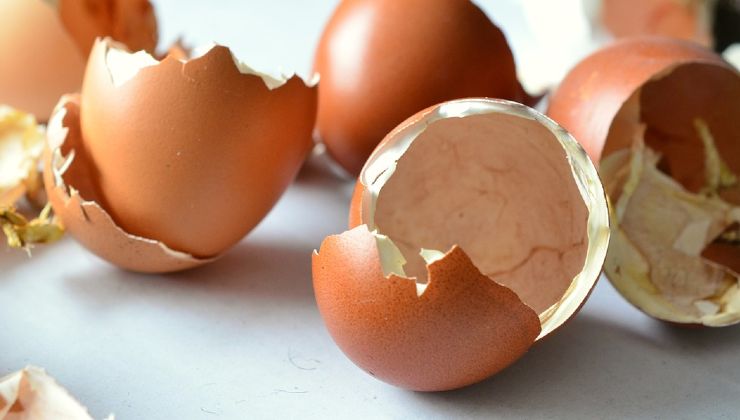
While awaiting the growth of the fruit, several measures can be taken to contribute to its proper development. Beyond water and various fertilizers, there is a special ingredient you shouldn’t overlook: eggshells. Yes, eggshells can play a crucial role in your gardening endeavors. Let’s delve into why and how.
Growing Tomatoes with Eggshells: Reasons and Method
It might sound peculiar, but it’s true: eggshells are a panacea for tomatoes. The expertise of seasoned growers always yields effective and well-thought-out tricks. When cultivating any fruit, vegetable, or plant, providing the right nutrients is imperative. Water absorption alone doesn’t supply all the essential nutrients. Similar to how humans take vitamin supplements, plants also require vitamins and minerals, with iron, zinc, and magnesium being fundamental. Eggshells, rich in calcium, become a vital mineral source for tomatoes.
Calcium is crucial for the normal development of the root system and contributes to robust cell structures, making them more resistant to fungal attacks and parasites. A deficiency in calcium becomes evident through unmistakable signs—rot that gradually splits the fruit. Now, let’s explore how to incorporate eggshells into the soil.
Adding Eggshells to Soil: A Sustainable Trick
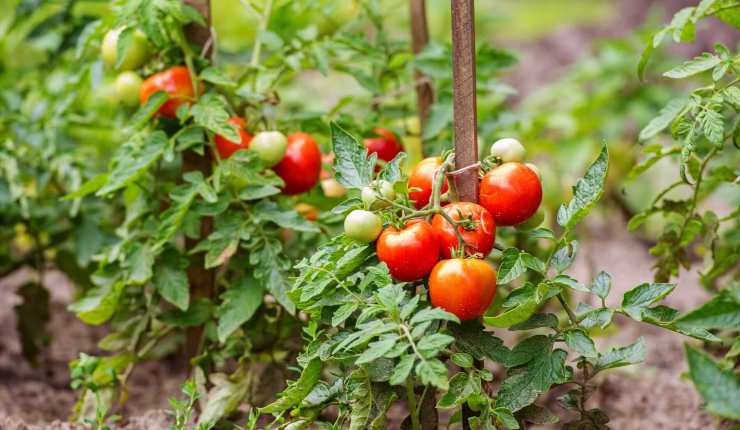
The most effective way to introduce eggshells into the soil is by finely chopping them, creating a powder or a flour-like consistency. A spoonful of finely chopped shells is sufficient for placement at the bottom of a reasonably deep hole. Sprinkle some soil over the shells and plant your tomato seeds. Thanks to the presence of chopped shells, your tomatoes will receive a continuous supply of calcium during the growth phase.
This sustainable trick poses no negative impact on environmental or tomato health. It’s a practice that can be extended to the cultivation of other elements in your garden, benefiting them as well. Additionally, it offers an economically sustainable approach, eliminating the need for expenditures on chemical fertilizers.