

When the good weather arrives, insects such as ants and mosquitoes tend to enter your home. With the windows open and the heat setting in, it becomes difficult for you to hunt insects. Thanks to white vinegar, you can finally leave your windows open without taking the risk of having an invasion of insects.
White vinegar is a household product, multi-purpose and natural. You mainly use it to clean your interior, but it can also help you eliminate pests that sneak into your home through your windows. Here is a tip for using vinegar against insects.
Here’s how to use white vinegar on your windowsills
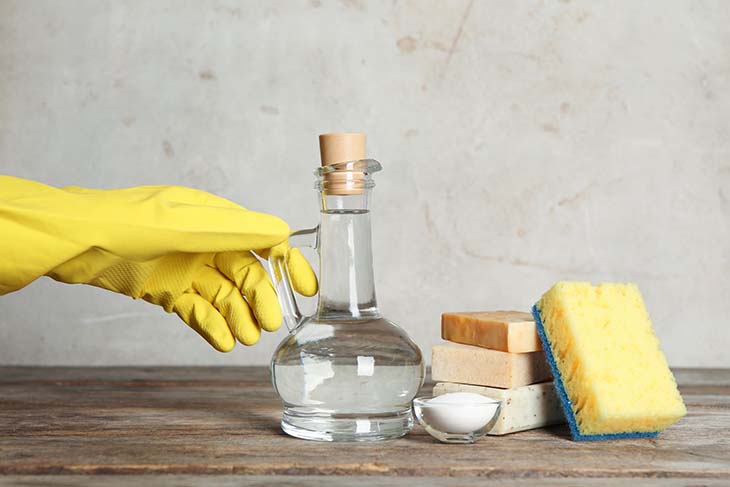

White vinegar, a homemade cleaner – Source: spm
White vinegar is a cleaning product known for its disinfecting and descaling benefits inside the house, having the power to remove bad odors. Moreover it can be an alternative to bleach. But it has other functions that you probably haven’t taken advantage of yet. With the arrival of warmer weather, insects sneak into homes because of the heat and humidity. Here is a trick to eliminate insects with white vinegar.
Why use white vinegar on your windowsills?
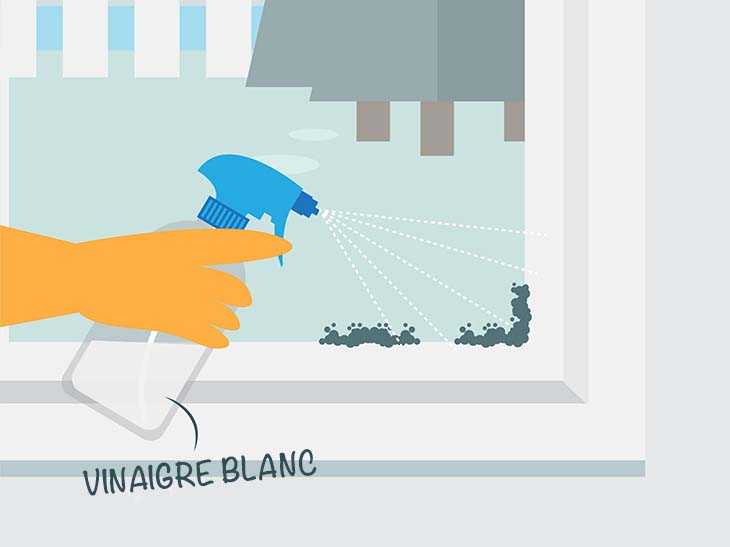
Use white vinegar on windowsills – Source: spm
White vinegar can be used to eliminate insects that sneak into your home through the windows. This essential product for the home is a real natural repellent against insects. To use it, here is a very simple trick. Mix a quarter of white vinegar with three quarters of water in a spray bottle and shake to mix the two ingredients well. Then spray the natural product on all the interior and exterior frames of your windows. If the smell of vinegar bothers you, don’t worry, it will disappear after a few minutes with the windows open. When using the spray bottle, don’t overuse this natural disinfectant. Just sprinkle it lightly for it to take effect. There is no need for the liquid to drip onto your windows or walls. It could damage them. This natural product will create a barrier on windows that will repel insects and other pests.
Here’s another tip without white vinegar to repel insects from your windows
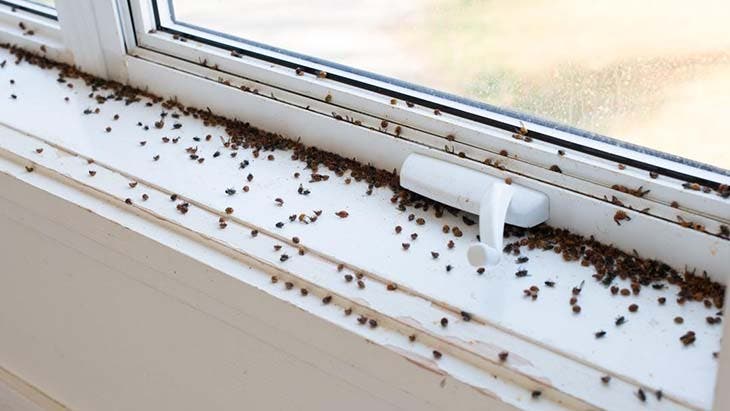
Insects that sneak through the window – Source: spm
This simple trick will help you scare away insects such as flies, spiders and other crawling pests. Grow aromatic plants in containers on your windowsills. Plants like mint, basil, parsley, lemongrass, peppermint, dill, basil, lavender, wormwood, onion, garlic have stubborn odors which repel all flies or spiders trying to get into your house through your windows. If your windowsill is large enough, you can also plant herbs like thyme, rosemary, lemon balm and sage. Insects do not appreciate the lingering smell of these aromatic plants. These cultures of aromatic plants will be worthy of a natural insecticide but can also be decorative objects for your windows.
Here are other uses of white vinegar for the maintenance of your home
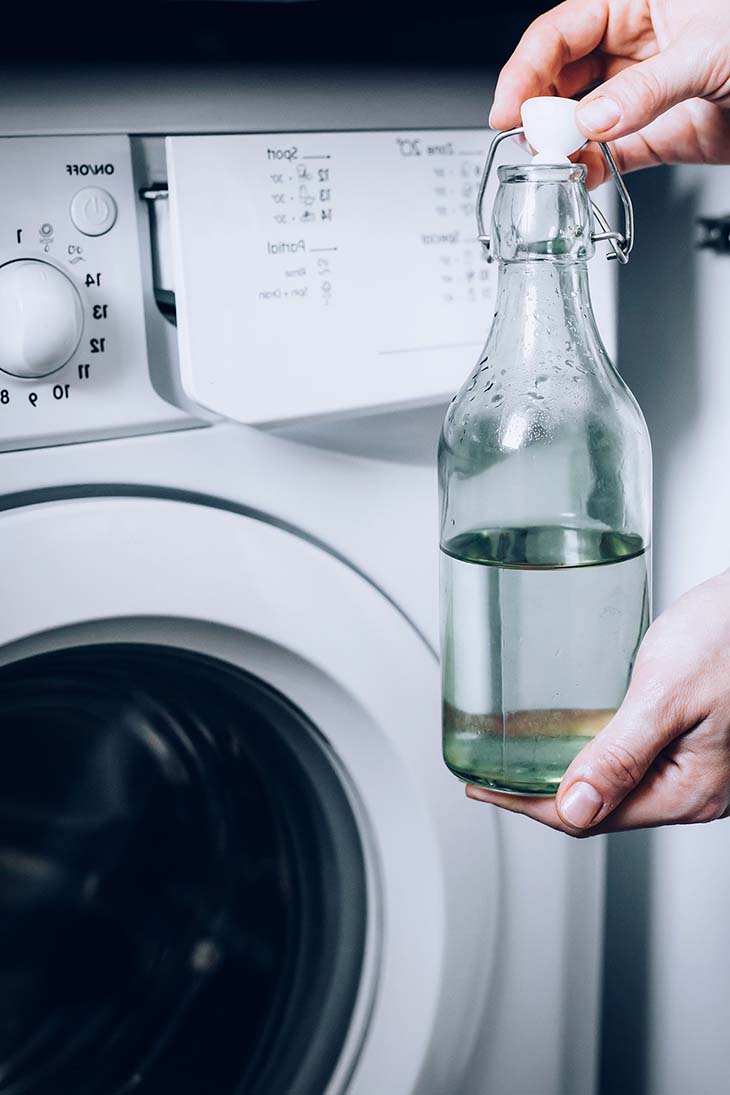
White vinegar for laundry care – Source: spm
-
White vinegar to maintain your laundry
White vinegar is the natural ingredient that will allow you to clean everything in your house. You can use it for the maintenance of your laundry. It is a good ecological and economical alternative to fabric softener because it softens your laundry in a natural way. This can avoid allergic reactions that can be caused by industrial fabric softener.
-
White vinegar to maintain the floor of your home
This multifunctional product can also be used on the floors of your home. Mix half a cup of vinegar in a bucket of hot water to clean all surfaces in your home. From laminate to tile, vinegar will remove the most stubborn stains and eliminate the most unpleasant odors.
-
White vinegar to clean your carpets
Vinegar will allow you to clean stains on your carpets and restore their former color. Sprinkle a teaspoon of baking soda on the stain and then spray it with white vinegar. Leave for a few minutes before rubbing the stain and rinsing with a damp cloth. Allow to air dry.
White vinegar can really be used on all surfaces of the house and thanks to these tips, you will be able to use all its benefits to maintain your home.


