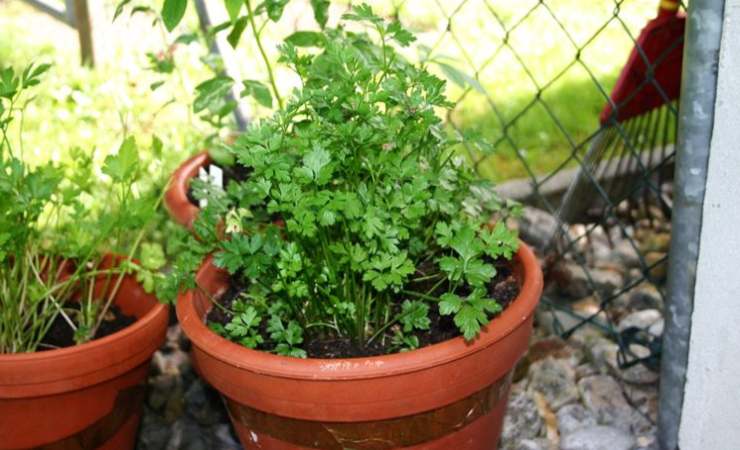
Curious about growing parsley at home in a simple and secure manner? Discover the optimal method to achieve an abundant harvest of this versatile aromatic herb.
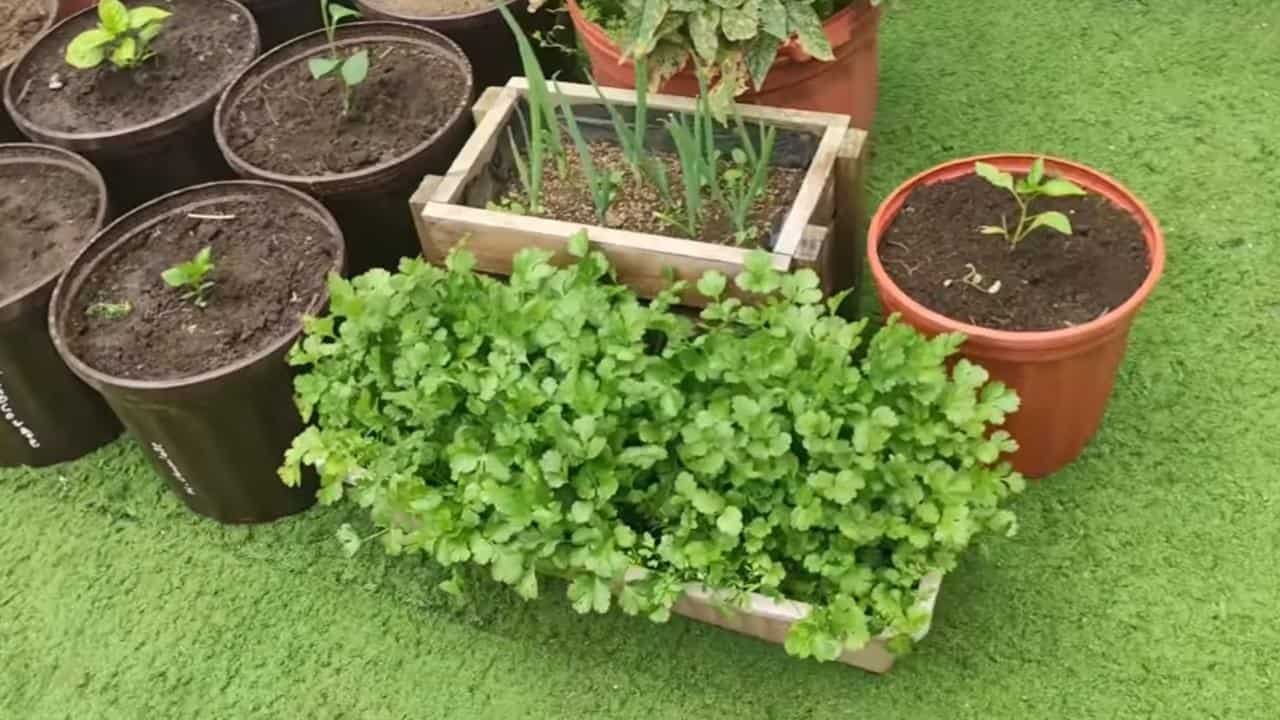
Parsley’s Culinary Versatility
Parsley, an aromatic herb widely used in kitchens, enhances the flavor of countless dishes, from appetizers to main courses and side dishes. Whether finely minced for sautéed vegetables or incorporated into sauces for fish or meat, parsley’s versatility makes it a kitchen staple. Growing parsley at home is a straightforward process, making it an ideal addition to balconies, terraces, or gardens. However, the choice of a sufficiently deep pot is crucial, considering parsley’s extensive root system.
The Best Method for Home Cultivation
Embarking on a successful parsley cultivation journey begins with acquiring a sizable pot. Whether terracotta, stone, or plastic, the pot’s material matters less than its depth. Plastic pots, with added drainage holes, prove advantageous by preventing water stagnation around the roots. Prior to sowing, make small holes beneath the plastic pot to ensure proper drainage—an essential step before diving into the cultivation process.
Next, fill the pot with the right soil. A well-fertilized soil with a pH between 6 and 8, sandy in texture, and capable of efficient water drainage is ideal. Vermicompost, derived from earthworm humus, serves as an excellent fertilizer for parsley. Alternatively, various market-available fertilizers cater specifically to the needs of this aromatic herb. Once the pot is filled, scatter parsley seeds, available at gardening shops, randomly throughout the container. A couple of handfuls of seeds are ample to foster luxuriant parsley growth.
After seed placement, cover them with at least an inch of additional soil. Now, let’s explore the optimal conditions to facilitate your parsley plant’s flourishing growth.
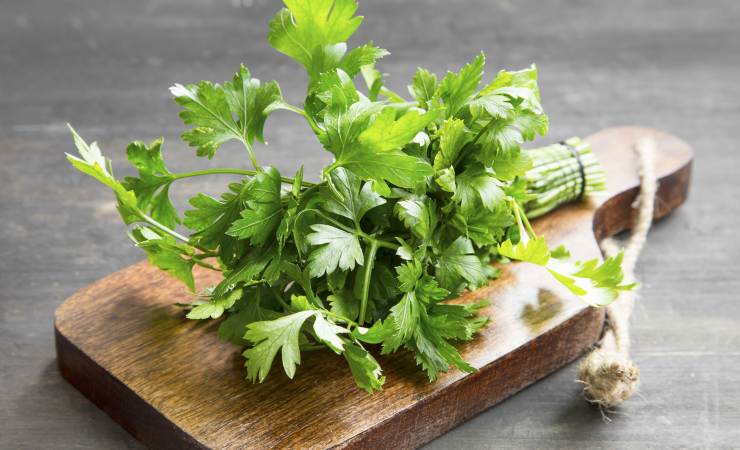
Cultivation Tips for a Bountiful Harvest
For robust and lush growth, parsley thrives in direct sunlight exposure for at least 5 to 6 hours daily. Position the pot in a slightly shaded area on your balcony or garden, especially during intense heat. However, direct sunlight exposure is only necessary once the plant has matured. During the initial stages, the seedling requires ample light but not direct sun exposure.
Maintaining moderately moist soil is crucial, and regular watering is essential, particularly in the early stages. Approximately 30-40 days post-sowing, your parsley plant will exhibit substantial growth if all steps are executed correctly. Parsley adapts well to temperate climates and can be placed conveniently, even on a windowsill.
By following these steps and guidelines, you’ll be on your way to cultivating a thriving parsley plant at home, ensuring a ready supply of this aromatic herb for your culinary endeavors.