

The jade tree is an evergreen succulent plant native to South Africa. This plant is particularly suitable for people who do not have a green thumb. In fact, its cultivation is easy, since the jade tree does not require much watering and its life lasts for several years. Find out how to reproduce the jade tree from a leaf.
The jade tree or crassula ovata is an easy-care succulent plant that is grown in pots as a houseplant. This plant of the Crassulaceae family is also nicknamed the tree of luck or the tree of friendship.
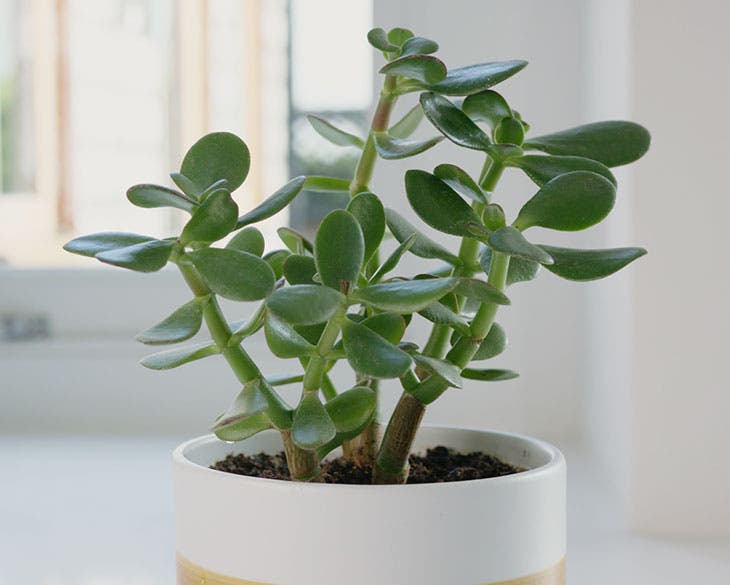

Title: Jade Tree. source: spm
How to reproduce the jade tree from a leaf?
The reproduction of the jade tree is produced by cuttings. This technique consists of taking a fragment of a mother plant that we will transplant into a pot or into the ground to have a new plant.
Jade tree can be propagated by leaf or stem cuttings.
- leaf clippings
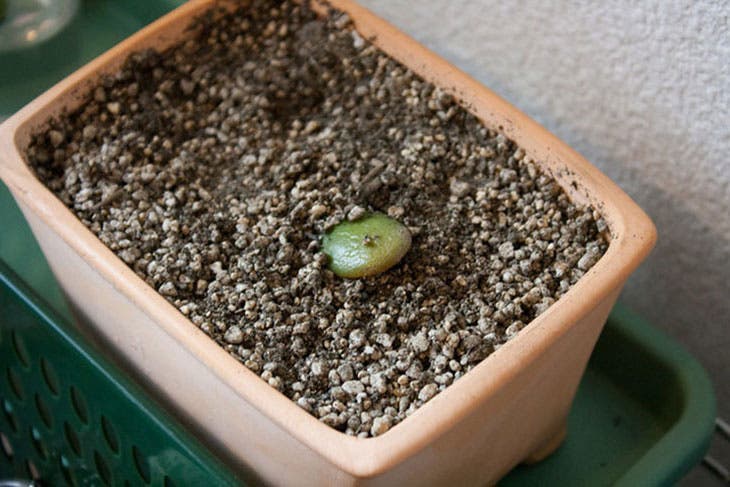
Title: Leaf clippings. source: spm
Paso 1:
Take the leaves from the mother plant, cut them off at the base with a sharp knife and wipe them off with a clean cloth. Then let them air dry to allow them to cure and prevent rotting.
2nd step:
Choose small clay pots and fill them with soil to within 2 cm of the rims. Use a special substrate for succulents or make your own by mixing perlite, sand and compost. Adding sand is important because it promotes soil drainage .
Paso 3:
Drill small holes in the stand and spread a sheet into each hole. Separate the leaves so they don’t touch each other.
Paso 4:
Cuttings do not need to be watered. Just spray them with a little water every 3-4 days.
Paso 5:
Keep your pots in a lighted spot for partial shade exposure. You will notice after a few weeks the appearance of new leaves from the base of your cuttings. Now transplant the new shoots by three, in a sufficiently large pot.
- stem cuttings
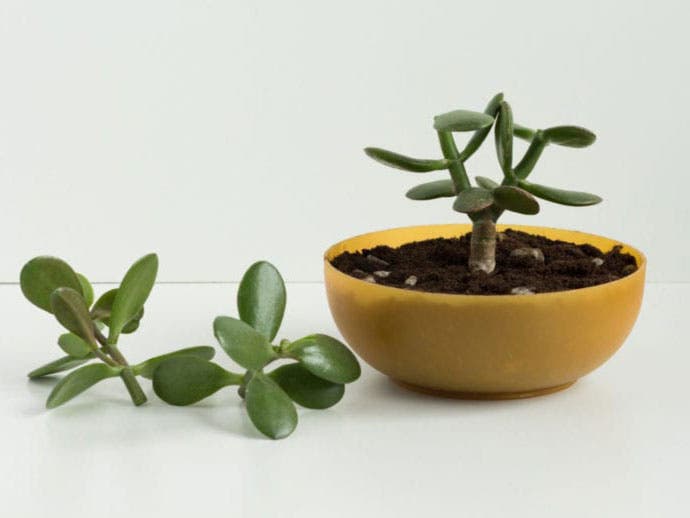
Stem cuttings. source: spm
Paso 1:
Using pruning shears, remove a thick stem with tough leaves and allow it to dry to promote healing.
2nd step:
Pour some cinnamon on a plate and wrap the stem in this spice. This favors its rooting. In fact, cinnamon acts as a natural rooting hormone. This step is optional, as the jade tree can be taken from cuttings without using hormones.
Paso 3:
As with cuttings, choose a clay pot and fill it with special soil for succulents.
Paso 4:
Make a hole in the ground and plant the stem in it. Your rooting hormone, natural or artificial, must be covered. Close the hole that surrounds the stem, without compacting the soil too much so as not to reduce drainage.
Paso 5:
Keep the pot in a light room, but do not expose it to direct sunlight so as not to burn the leaves. You will notice new growth at the top of the stem after 3 to 4 weeks. This means that your cutting has successfully rooted.
Avoid watering the cutting while it is taking root, as this can cause it to rot. Keep in mind that you can only transplant your plant into a larger pot after it has taken root.
How to maintain the jade tree?
- irrigation
The jade tree does not require much watering. Its very thick leaves allow it to store water and therefore limit irrigation. Also, all succulents have fleshy tissues rich in water. Therefore, they have the ability to retain water and thus can survive in arid climates or dry soils.
After transplanting the new leaves, monthly watering is sufficient. Do not wet foliage when watering and remove standing water from saucer to prevent root rot.
- Exposition
The jade tree needs light and sun, but exposure to full sun all day can burn it. Prefers partial shade exposure.
- Transplant
You don’t have to change the pot of the jade tree, as long as you don’t overwater it and it’s not overcrowded. On the other hand, it is important to change the soil after 2 years to give your plant a drier and cooler soil.
- Fertilizer
Choose a nitrogen fertilizer to fertilize your tree and promote flowering. Crassula produces small white or pink flowers in early spring.
- parasites
The pests feared by the jade tree are mealybugs. These pests wreak havoc on the crassula, especially when overwatered. If an infestation occurs, clean the leaves with a cotton swab dipped in denatured alcohol.
With just leaves or a stem from the jade tree, you can multiply this plant to keep it as long as you want.


