

The bathroom is one of the wettest rooms in the house. This humidity is the cause of many inconveniences. Indeed, in addition to causing mold, it makes the shower seals yellow, and sometimes even black. To find white seals, you can use inexpensive and readily available products. Find out the best way to clean yellowed grout in your bathroom.
Shower seals or gaskets are important in the bathroom. They guarantee the watertightness of the shower tray, sinks, bathtub , and tiling, and limit water infiltration. But, exposed to moisture and limescale from hard water, shower seals turn yellow over time and even become porous, and thus lose their effectiveness.
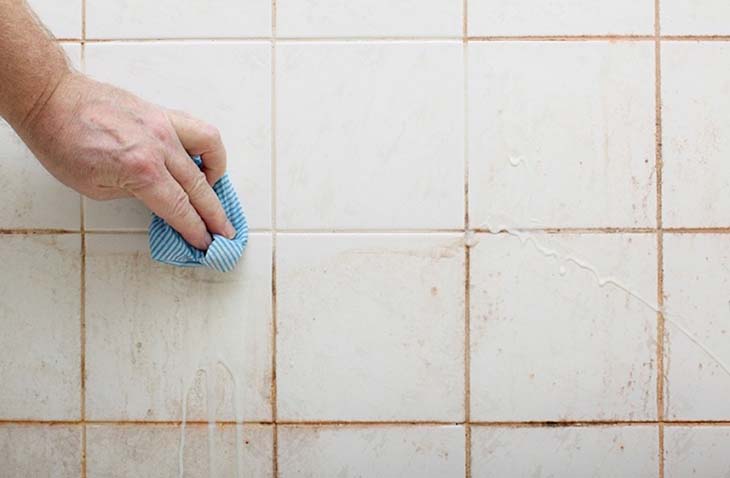

Clean dirty shower seals – Source: spm
How to clean yellowed joints in the bathroom?
-
Toothpaste to clean joints
Toothpaste is effective in descaling and clearing joints. To do this, apply the toothpaste to the yellowed seals and rub with an old toothbrush to clean them thoroughly. Then rinse with clear water, preferably non-calcareous.
-
White vinegar to descale the joints
To remove the scale causing the yellowing of the joints, you can also use white vinegar. This natural and ecological product is renowned for its anti-limescale and degreasing action . To do this, pour the white vinegar over the yellow tile joints, and let it sit for 10 to 15 minutes. Then scrub with a toothbrush, rinse the treated area with clear water and dry it properly with a clean microfiber cloth.
You can also mix equal parts, in a spray, white vinegar and hot water. Spray on the yellow joints, leave to act for 5 minutes and scrub with a brush.
Note that it is advisable to regularly spray your joints with this white vinegar solution to keep them clean and prevent them from yellowing.
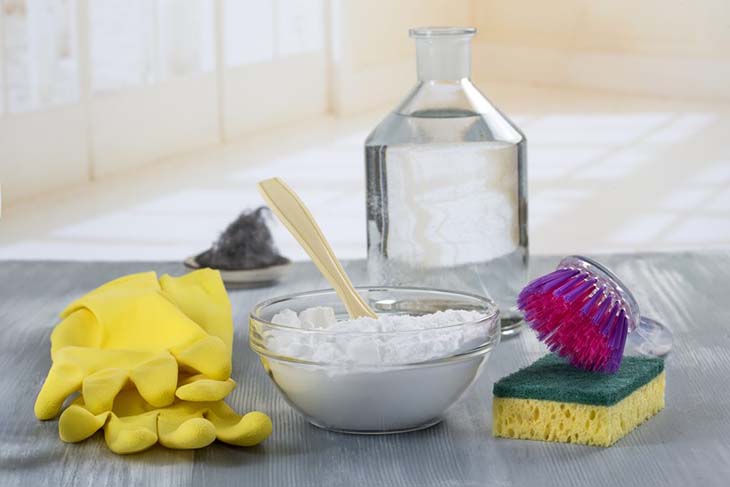
Baking soda and white vinegar for grout cleaning – Source: spm
-
Baking soda to whiten joints
To recover your shower seals, you can also rely on baking soda. This multi-purpose product is very effective in cleaning, disinfecting and whitening joints. To do this, mix baking soda with water to form a paste. Apply it to the joints, scrub with a stiff bristle brush, and rinse the joints with lukewarm water.
-
Soda crystals to clean joints
Soda crystals are more abrasive than baking soda and are therefore effective in removing stubborn stains. To do this, mix the soda crystals with a little water to form a paste that you will apply to your yellow and dirty joints. Leave on for a few minutes and scrub with a brush. Then rinse your joints and dry them with a dry cloth.
-
Salt and lemon to lighten the joints
Salt is effective in dissolving scale deposits on the joints , as for lemon, it will help you recover their whiteness, thanks to its whitening properties, due to the citric acid it contains. To do this, mix 3 tablespoons of salt with half a cup of lemon juice, and pour the solution into a spray bottle. Spray on stained grout, leave on for an hour, and scrub with a rough sponge . Then, rinse with lukewarm water and wipe the tile dry.
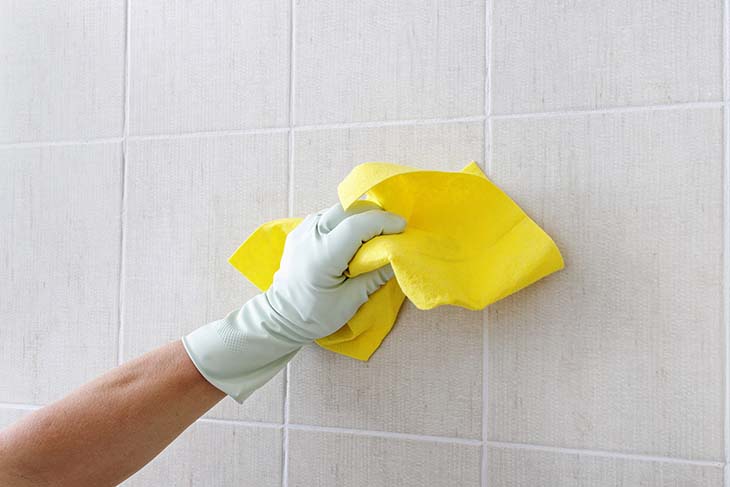
Wipe the wall tiles – Source: spm
-
Black soap to clean joints
Black soap is a natural cleaner very popular in the maintenance of the house. Thanks to its stain-removing action, it can clean your shower seals and unclog dirt and grime. Its use is simple. Just soak a stiff bristle brush with a good coat of black soap and scrub the yellowed joints. Then rinse and ventilate the bathroom to dry the joints.
How to avoid yellowing of joints?
To avoid having yellow and scaled joints, it is important to get rid of the humidity. To do this, ventilate your bathroom regularly, especially after showering. Also, using a squeegee, remove the excess water on the tiles and the walls of the shower stall. This will allow you to dry your bathroom more quickly, and avoid the stagnation of hard water on the joints, causing them to yellow.
If your joints are damaged due to humidity, it is important to redo them to prevent water infiltration and keep your bathroom watertight.
These easy and economical tips will allow you to clean and whiten the joints of wall or floor tiles in your bathroom, without resorting to toxic chemicals such as bleach or ammonia.


