

Brewer’s yeast is famous for its benefits for the body, but it is also beneficial for plants. The minerals and vitamins it contains provide the plants with nutrients that favor growth and especially flowering. To have beautiful plants, even without a green thumb, find out how to use brewer’s yeast in your garden.
To grow and flourish, plants need nutrients. Hence the use of fertilizers that provide plants with the nutrients they need. With that said, you can make your plants flourish and grow well simply by using brewer’s yeast.
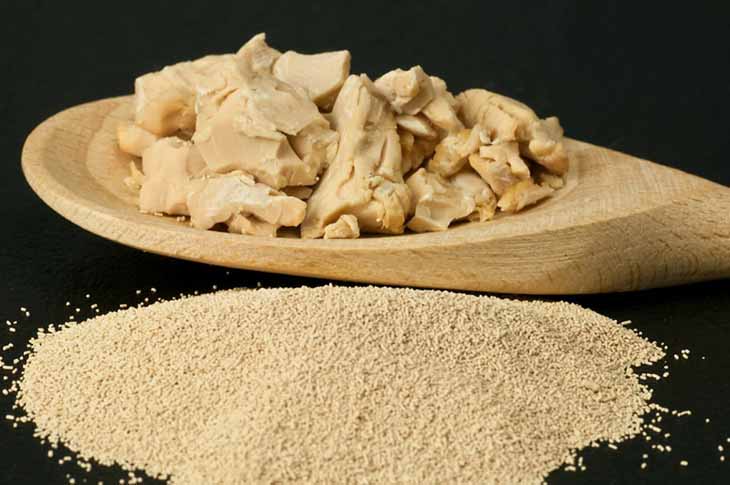

Brewer’s yeast – Source: spm
How to use brewer’s yeast to make plants flourish?
as irrigation water
Will need:
- Brewer’s yeast (even if expired)
- water at room temperature
- a plastic jar
Dilute 3 tablespoons of brewer’s yeast in 10 liters of water. Add the yeast little by little, stirring at the same time so that the yeast dissolves faster. Let the solution sit for a few hours.
Therefore, use this preparation as water to water your plants, in order to provide them, in addition to moisture, the nutrients they need. In fact, the yeast of the good is rich in B vitamins, phosphorus and potassium that stimulate flowering.
Repeat this only every 3 days, for two weeks to improve the growth of your plants.
in the compost
What is compost?
Compost is a mixture of plant matter and biodegradable organic waste. The compost acts as a fertilizer. When incorporated into the soil, it helps release essential nutrients for plant growth, as well as increasing soil fertility. In fact, when they decompose, the organic remains are transformed into humus and minerals that nourish the soil, fertilize the plants and favor their flowering.
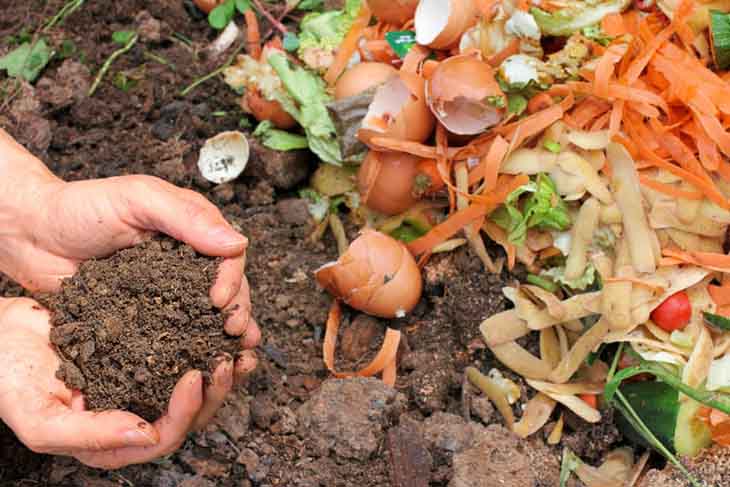
Composting – Source: spm
For successful composting, it is important to compost the compost well and above all to mix the waste well, because this is what allows the fermentation process to begin.
To successfully process the waste that makes up compost, dry waste such as straw and wet waste such as grass must be mixed together.
Waste that can be composted is food scraps , including but not limited to eggshells, banana peels, or crumbled dry bread. And yard waste such as weeds, wilted flowers, twigs, or dead leaves
How to use brewer’s yeast in compost?
The use of brewer’s yeast is useful for compost. It accelerates the decomposition of organic waste and favors the development of microorganisms and worms useful in the decomposition of dead plants and organic waste. Brewer’s yeast also attracts snails which help speed up compost breakdown.
Option 1: Add a layer of organic matter to your compost pile and sprinkle 3 packets of brewer’s yeast on top. Then aerate the compost by turning the pile with a fang to ensure its oxygenation.
Please note that pile composting is a composting process that is used for large areas.
Option 2: Make your own natural compost activator with brewer’s yeast. To do this, dilute in a container containing 5 liters of water, a block of yeast and 100 grams of sugar. Close the container with a tight lid and let the mixture sit for 5-7 days to help it ferment. Then pour your prep into your compost bin. Remember to turn the compost once a month to aerate it and water it regularly to moisten it.
Silo composting is also a composting process, but unlike pile composting, it is used for small areas.
Note that the compost must be moist. Otherwise, the microorganisms involved in the decomposition will die. However, the excess humidity is responsible for the lack of ventilation, which also slows down the processing of waste.
To achieve better flowering, you can add a natural fertilizer such as banana peels to this trick. The latter have a high potassium content , so combined with the B vitamins from brewer’s yeast, your plants will be able to flourish better.
After fertilizing the plants with brewer’s yeast, sprinkle the banana peels on the soil. These will decompose over the days and release the potassium that will then be absorbed by the plants. In addition, banana peels are an organic waste that is used in the composition of the compost.
Note that coffee grounds are also a popular natural fertilizer in gardening. It is also considered a natural composting activator, as it attracts red wigglers and earthworms from manure that help break down waste.
Thanks to these tips you will be able to use the nutrients in brewer’s yeast to enrich the soil and promote the growth of your plants in the garden or the shrubs and fruit trees in your garden.


