

Guarding Against Peach Leaf Curl: Understanding and Addressing the Issue
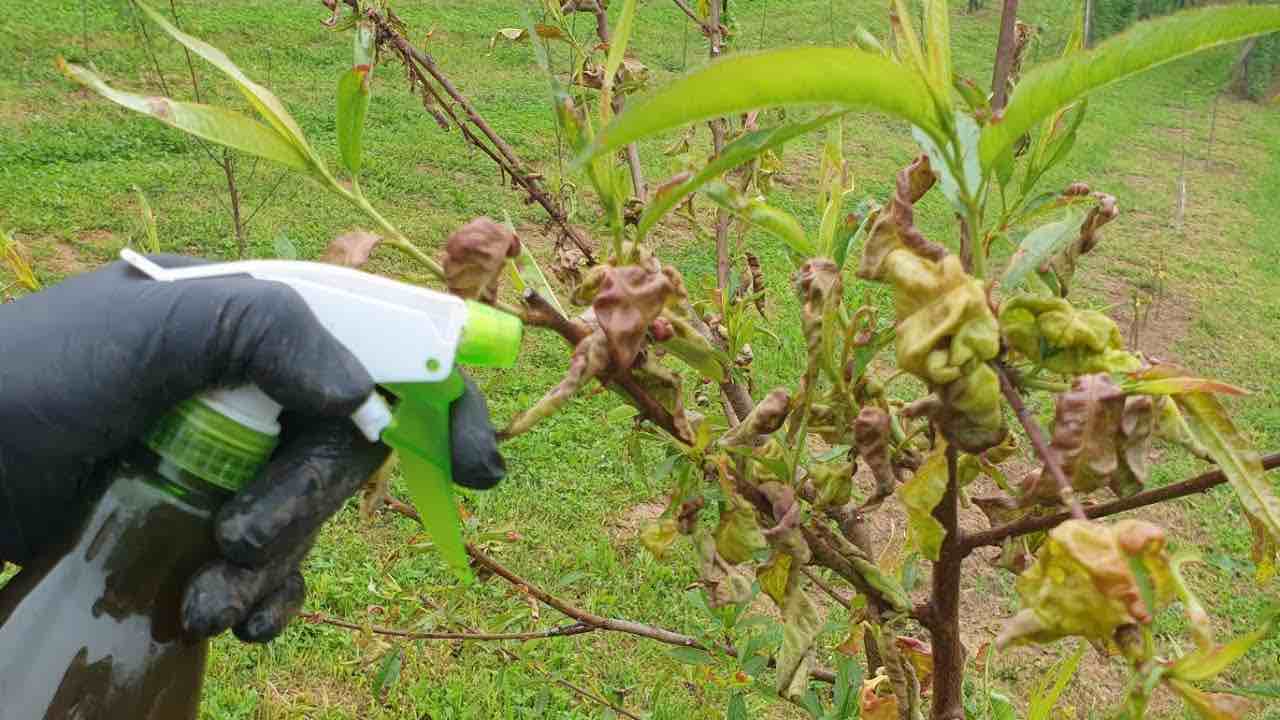
Peach leaf curl poses a persistent challenge for peach and nectarine cultivators, impacting various facets of these tree plants. Acquiring knowledge about this fungal disease is crucial for effective management and mitigation efforts. We’ll explore how to identify peach leaf curl, understand its symptoms, and implement preventive measures to curb its impact.
Identifying Peach Leaf Curl
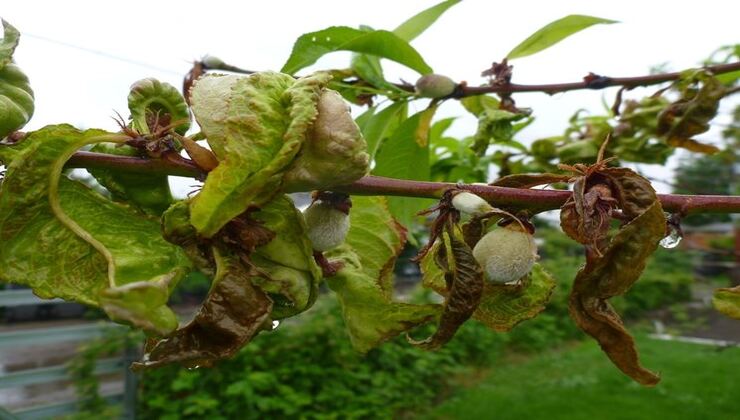
Recognizing peach leaf curl is a straightforward task, particularly as it exclusively affects peach and nectarine trees. Its occurrence intensifies during spring when temperatures are low, and rainfall is abundant. New peach leaves exhibit unusual thickness and curl, ultimately adopting a crinkled appearance. Blisters develop on the leaves, starting with shades of yellow or reddish hues before transitioning to white. Over time, affected leaves may undergo various color changes and develop a whitish coating. By early summer, impacted leaves worsen, darkening, shrinking, and eventually falling off. Despite potential new foliage, trees affected by this disease may become brittle and unproductive.
Signs and Symptoms Unveiled
The signs of peach leaf curl typically manifest within two weeks of foliar emergence. Symptoms encompass leaf curling, color alterations ranging from yellow to purple, and the presence of reddish warts that can deform the leaves. In advanced stages, leaves may turn gray or develop a powdery texture. Fruit may also contract infections, resulting in wart-like growths, distressing the fruit, and potentially causing premature dropping.
The Ideal Treatment Approach
While treating peach leaf curl post-symptom onset is often challenging, preventing the disease is more straightforward. Apply a fungicide spray during fall after leaf drop or just before spring budding. Typically, one autumn treatment suffices, but regions prone to humid weather may necessitate additional spring treatments. Fungicides become crucial during periods of rain, facilitating spore transport into buds. Stationary copper products, especially those labeled Metallic Copper Equivalent (MCE), are effective and safe fungicides for home gardeners. The MCE classification gauges fungicide strength, with higher scores indicating increased effectiveness. Notably, lime sulfur and copper sulfate are the less potent options.
Understanding, identifying, and proactively addressing peach leaf curl empowers cultivators to preserve the health and productivity of their peach and nectarine trees.


