

If we’ve all gotten into the habit of throwing banana peels in the trash, that’s a mistake. In fact, the skin of the banana is full of excellent nutrients for health. They are rich in fiber, magnesium, potassium but also in vitamins C, B12 and B6. If you like gardening, find out how to recycle banana peels to give your plants this mine of benefits and maintain your vegetable garden.
Many people enjoy the flesh of the banana but throw the skin in the trash. However, the banana peel contains several nutrients and can be recycled for many other uses. Here are 7 ways to reuse banana peels for the garden.
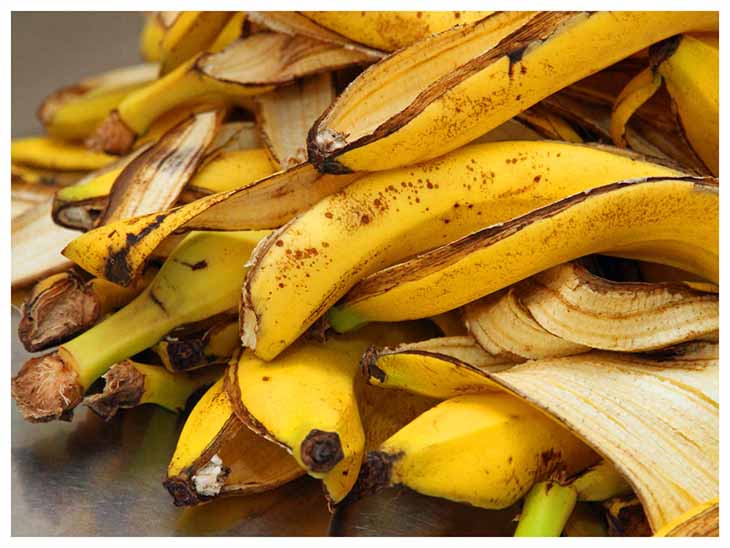

Banana peels in gardening – Source: spm
How to use banana peels in gardening?
-
Banana peel is a natural fertilizer to feed plants
Banana peel can be used as fertilizer and organic fertilizer to boost plant growth. To make fertilizer from a banana peel and give your plants a boost, all you need to do is prepare an infusion rich in mineral elements. Fill a bucket with water and store it in the fridge. Each time you eat a banana, save the skin and cut it into small pieces before adding it to the water in the bucket. When the bucket seems full, filter the preparation to keep the water and use this infusion rich in minerals to water your plants.
-
Tough seedlings with banana peel
To obtain a resistant seedling, you can use the banana peel. Before sowing the seeds, dig a hole in the ground and plant the banana peel so that the yellow side of the banana is facing the ground. Arrange the seeds on the banana peel and cover them with soil.
-
Banana peel: a formidable pest control
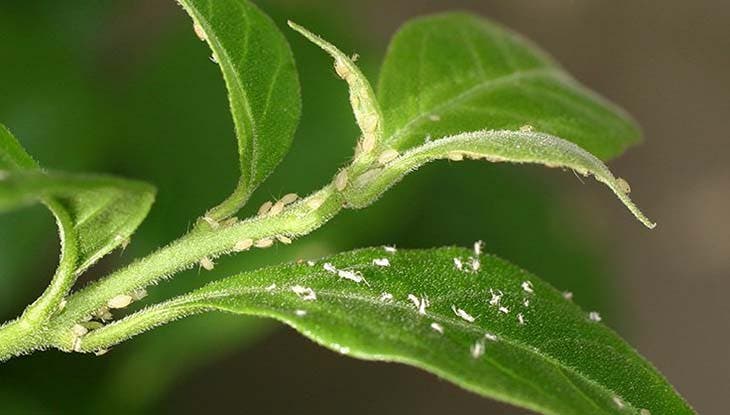
Aphids on plants – Source: spm
To fight against parasites and pests that can attack your plants, there are ecological and very practical solutions. Nettle manure, coffee grounds, white vinegar or banana peel are considered effective pest control agents to keep aphids and other pests away from your roses and fruit trees.
-
Banana peel: a compost that stimulates the soil
Compost enriches the soil and provides plants with the minerals they need such as nitrogen, phosphorus and potassium. Thanks to its richness in minerals including copper, iron, potassium and phosphorus, banana peel can replace your usual compost. It stimulates the biological activity of the soil by gradually releasing its nutrients. Bury whole banana peels with coffee grounds for excellent compost.
-
A banana peel fertilizer spray for plants
Very good fertilizer, banana peel can sublimate your plants. To get a particularly nutrient-dense fertilizer, you’ll need:
- 3 dried and crushed eggshells
- 4 dried and crushed banana peels
- 1 tablespoon of Epsom salt
- 1 liter of water
Mix everything together and then pour the concoction into a spray bottle. Be sure to spray this mixture on your plants every morning.
-
Banana peel: an insect repellent
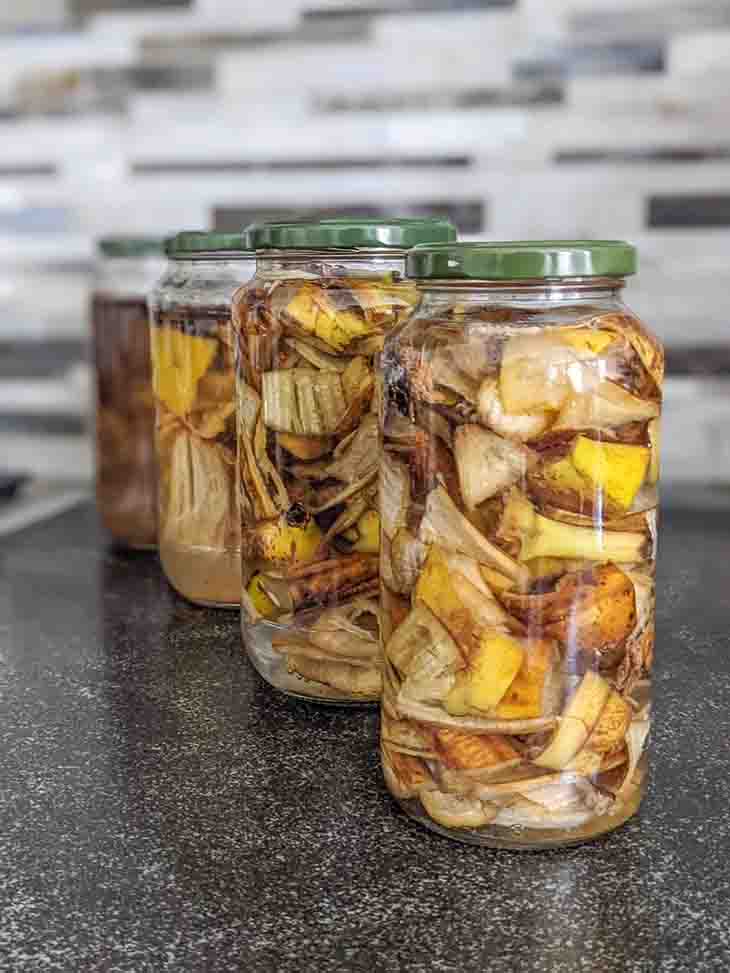
A natural repellent – Source: spm
To fight against diseases caused by insects , banana peel is a very effective insecticide. Simply remove the peels from the bananas and place them in a plastic container with a lid. Cover your banana peels with apple cider vinegar then close the container and pierce the lid. Place it in a strategic place in your vegetable garden to put an end to the invasion of insects.
-
Banana peel: a useful nutrient for fruit trees and flowering plants
Banana peel is an organic material containing excellent nutrients for plant development. Providing potassium, iron and magnesium, it improves the quality of compost and promotes the growth of micro-organisms necessary in the composting process. To speed up fruit formation or flower growth, cut the banana peel into pieces and use these to make compost.
From now on, don’t throw away the banana peel, it can be used in different ways in the garden. It is also an ecological way to recycle it.


