

Did you know that garden plant scraps should not be thrown away? You can reap huge benefits if you reuse them, let’s find out how!
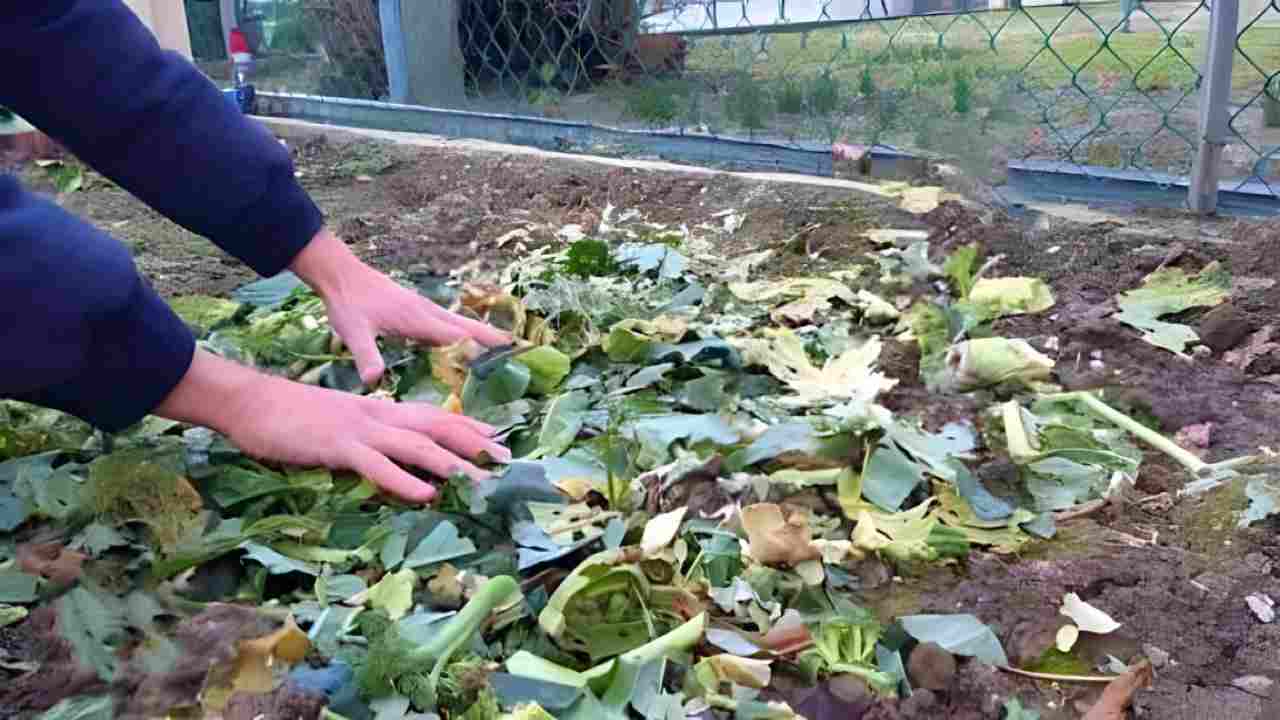
Reusing garden plant scraps to fertilize the soil is the most natural and effective way to return all the nutrients needed to be transferred to new plants so that they grow lush and healthy. They are usually disposed of to throw away, but with the permaculture method you get better results and you also do a lot of good for the environment. Let’s find out how to make garden debris, roots, branches, and leaves into organic fertilizer!
Do not throw away garden plant scraps
Most people, when plants have made their way and produced fruit, have a habit of pulling up the plants, then removing the root, stem, and leaves, with the intention of clearing the soil.
It is a normal routine to have free soil again to plant other seedlings, but instead of throwing away the remains or putting them in the compost bin we can reuse them.
In fact, we can turn them into small pieces and put them back in the ground, right where they developed. This practice is useful for making nature take its course and not altering it.
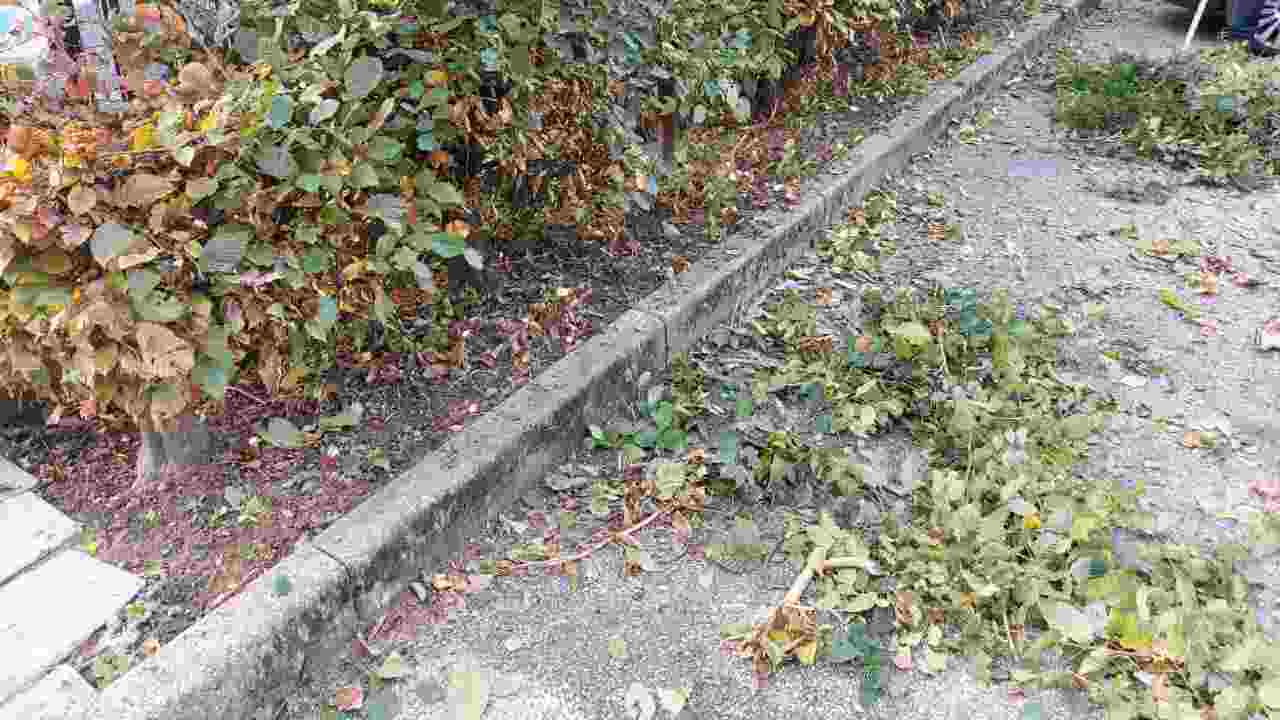
As is known, when autumn arrives, the branches and leaves fall to the ground, where over time they decompose and become organic matter. Similarly, all plants die when they are at the end of their life cycle and decompose in the same place where they grew.
Permaculture is a vital process
This process is the basis of pemaculture, which consists of an integrated design process based on ecological principles and strategies to create a sustainable and balanced environment.
In practice, with this system, plants decompose and return their nutrients to the soil, giving rise to an endless and perpetual cycle of life.
Plant debris can be placed in the same place where they grew or elsewhere in the ground where other plants need to be planted.
The result is to allow the remains of the garden to become compost already available in the soil itself, which will have food again. Referring to this method, it avoids the use of chemical fertilizers and gives the soil a chance to improve its composition.
How to perform the procedure
To better reuse garden waste and make it become a powerful organic fertilizer for the growth of other plants, it is advisable to have large scissors, in order to cut the remains into small pieces. In this way, decomposition is accelerated and the risk of attracting snails, which would devastate the plants, is avoided.
Do not place a thick but thin layer on the soil to accelerate rot and get organic matter to root and leaf as quickly as possible. By remaining in the soil, the remains will rot and deepen, adding more organic matter.
The benefits for the soil obtained are also better aeration and better drainage of the soil. In addition, water retention also increases in the soil, obtained thanks to the action of mulching. This way, the soil in the summer season remains cooler and will not evaporate water immediately.
Garden scraps can also be placed in the composter, but the quickest and most natural system is to put them directly into the ground cut into small pieces. However, attention should be paid to the remains of diseased plants, these should be thrown away to prevent the spread of fungi.
As we have seen, instead of throwing garden waste in the trash, let’s use them to nourish the soil and ensure an excellent supply of organic substances to other plants. The only thing we have to check is if the remains are affected by diseases and in this case it is better to get rid of them.


