

Do you have a beautiful rosemary plant in your garden and notice some yellow tips? Here is the reason why this happens.
The rosemary plant is among the most common to keep in the garden both for its ease of care, but also for its usefulness in the kitchen. In fact, it is a condiment widely used in Italian cuisine which enriches and makes many of our dishes tastier. However, although she is also very robust, she can also suffer . One of the many signs is yellowing of the leaves.
Why does rosemary have yellow leaves?
As just mentioned, rosemary is a beautiful plant to keep in the garden or in a vase on the balcony and the reason is very simple. First of all, let’s talk about a plant that is beautiful to look at, but its leaves are used in many Italian dishes. Whether it’s in a sauce or with a roast, it gives that extra taste that many like.
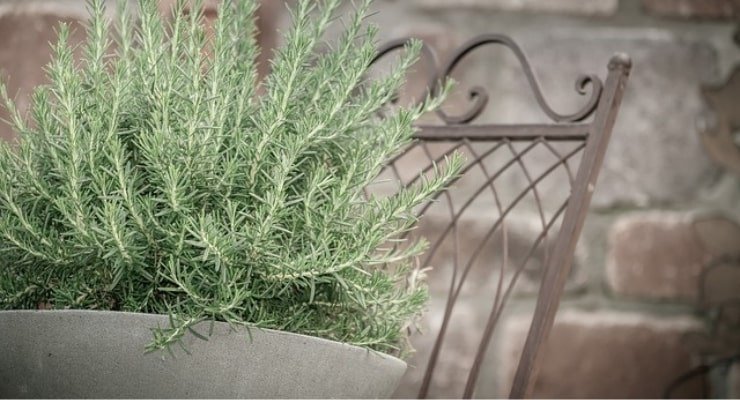
We are also talking about a plant that is very easy to keep, it is robust and does not require who knows what attention other than water to make it grow and live. However, as with all plants, rosemary can also present difficulties such as yellowing of the leaves .
This problem is not that serious or insurmountable, but we must act promptly so that it does not affect the entire plant. In this case you risk losing it completely. Understanding that the rosemary plant is suffering in this sense is very simple as the signs are unmistakable. These are the yellow leaves and the appearance of some brown spots. But what are the causes?
Causes of yellow rosemary leaves
The fact that rosemary has yellow leaves has different meanings, but it is a clear sign of a problem with the plant. The important thing is to discover the cause because in this way we will be able to act promptly and stop the problem in its tracks. The case history is very wide and most cases are linked to environmental and climatic factors.
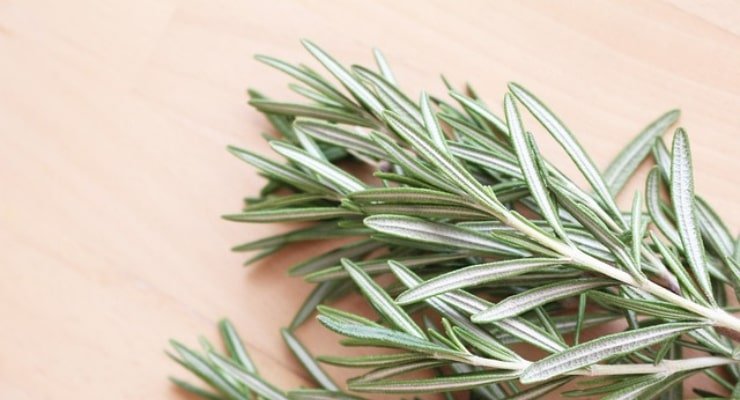
The first aspect to be noted is that rosemary loves to be exposed to the sun and if this does not happen or happens for a short time, the first sign of suffering is the appearance of yellow leaves. Be careful though. If the yellowing concerns only a few leaves in the inner part of the bush, it will be sufficient to thin out the plant with pruning. This is the most effective remedy .
Another situation in which rosemary turns yellow is lack of water. This may seem very strange because it is well known that rosemary is one of the most drought-resistant plants, but if it is planted in a pot the situation changes. The same thing applies if the plant is very young. Another aspect linked to the climate is when there are too many temperature changes . If the plant is exposed to intense frosts, the leaves turn yellow. In this case it is sufficient to cover the plant with a cloth.
Always related to water, if the lack of it causes the leaves to turn yellow, the excess is also not correct. Waterlogging is not good for the plant whether it is planted in the ground or in a pot. Finally, another cause of yellowing of leaves are some insects such as leaf beetle and nematodes.
Remedies for yellowing rosemary leaves
If your rosemary has yellow leaves , don’t worry because there is absolutely a remedy for this. In fact, we are not talking about a particular disease, it will be enough to worry about taking some precautions. First of all, we must evaluate whether the yellowing only affects some leaves and in this case only the branches involved can be pruned .
The case is different when the branches with yellow leaves are numerous. Here, you can act with a cutting. What is it about? Of a simple branch that we will insert into a vase with soil or into a jar containing water. In this way we will prepare the soil for a replacement plant . Another problem could concern the plant that is in the pot.
Unfortunately, for those who don’t have space in a garden, keeping a rosemary plant healthy isn’t always that simple. In fact, in the pot it will not be able to enjoy all the nutritional properties that only the soil is able to provide. As well as, as we said above, drought.


