

Boosting Cucumber Harvest: Essential Ingredient for Success
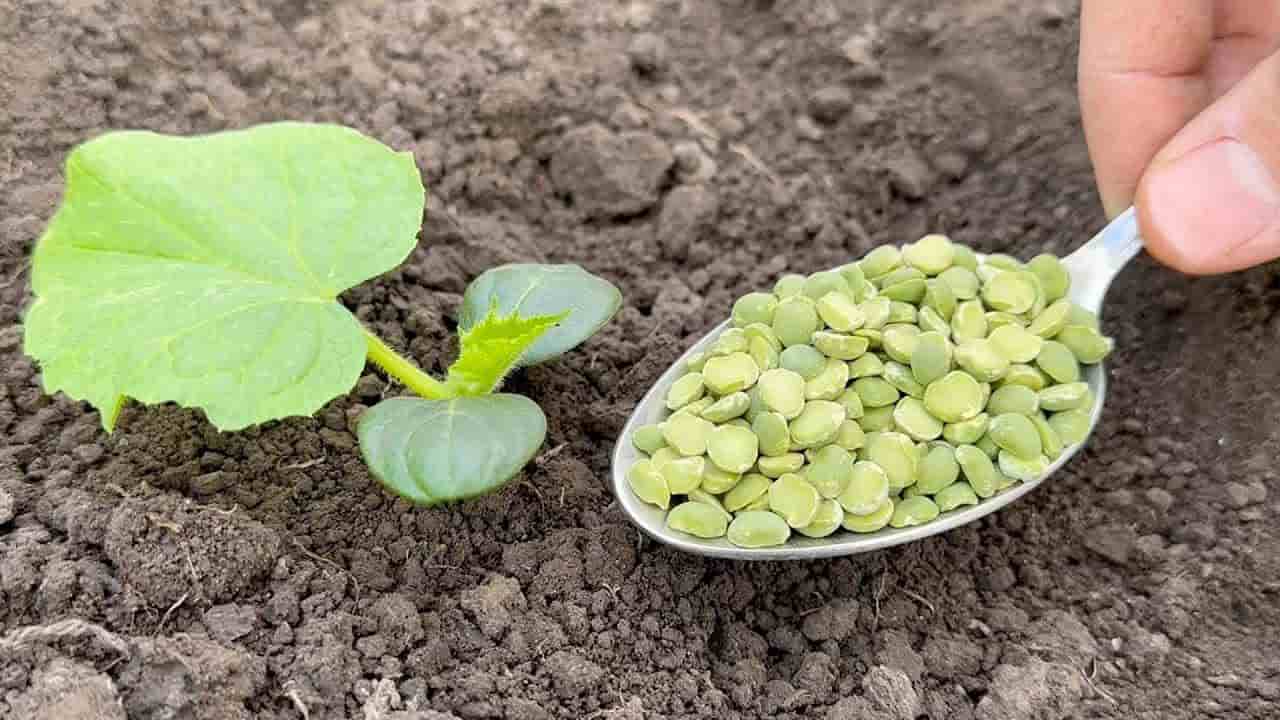
If you aspire to double your cucumber harvest, there’s a vital ingredient you should never overlook when planting them. Let’s delve into the details to ensure a thriving cucumber crop in your garden.
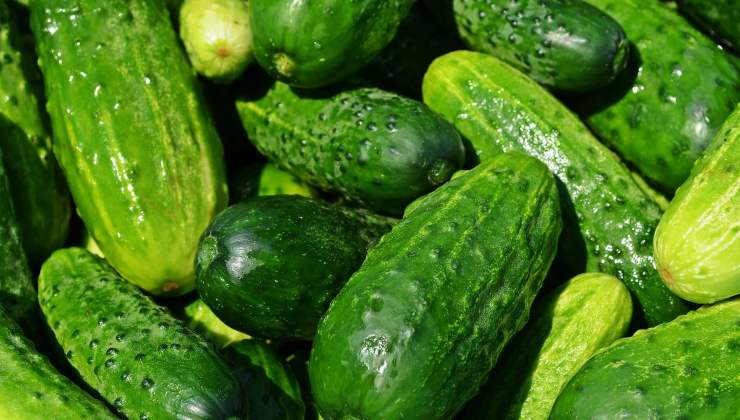
Cultivating Cucumbers: A Gardener’s Delight
Cucumbers, a versatile vegetable widely used in cooking, can be a delightful addition to your home garden. Known for its undemanding nature, cultivating cucumber plants is relatively straightforward. While these plants don’t have stringent soil and care requirements, ensuring fertile soil and incorporating suitable fertilizers is key to their success.
Cucumber plants exhibit rapid growth, and within approximately 40 days, you can expect your first harvest if they bask in sufficient sunlight. With a lengthy summer, multiple plantings throughout the season are feasible.
Before diving into seed selection, it’s crucial to discern the cucumber types available. Options range from self-pollinated hybrids to parthenocarpic and bee-pollinated varieties, with the latter yielding more fruit when planted in the ground rather than greenhouses. However, a critical ingredient must not be overlooked when planting cucumbers, as detailed below.
Essential Ingredient for Cucumber Success: Glucose Powder
To commence cucumber planting, wait for temperatures to rise, reaching over 20°C during the day and not dropping below 15°C at night. Sow the seeds in warm soil, at least 18°C. Once conditions are favorable, proceed with the suitable cucumber variety.
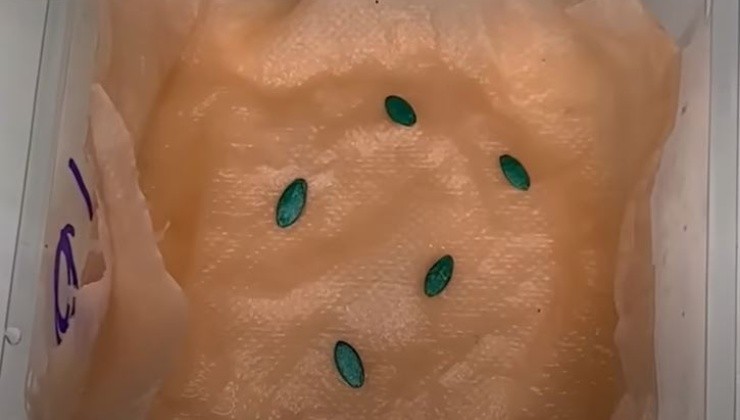
The initial phase involves germinating the seeds. Take a container, layer it with two or three folds of toilet paper, and moisten the paper, infusing it not only with water but also with a crucial ingredient: glucose powder.
Glucose powder, commonly used in desserts, can be found in well-stocked supermarkets or online. Dilute 0.5 grams of glucose in 1 liter of water to activate growth processes, providing the plants with energy for germination and development. Additionally, introduce 0.1 grams of Vitamin C for plants (ascorbic acid) into the glucose solution to enhance immunity and stress resistance.
Once the toilet paper is moistened with this nutrient-rich concoction, spread the cucumber seeds on it, creating a makeshift greenhouse effect by covering it with a lid or bag. Place it in a warm environment and patiently wait for four days.
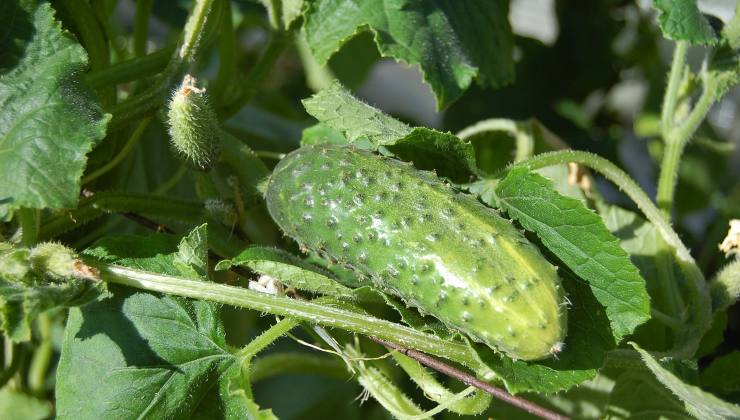
Transition to Soil Planting
After four days, examine the small greenhouse, and you should observe sturdy shoots. The vitamins and glucose will have fostered vigorous sprouts with well-developed roots. Before transferring them to pots, ensure the stems reach a height of about 5 centimeters.
Transfer each sprout individually into soil-filled containers, creating holes for the roots without causing damage. Avoid tearing the roots; instead, place them in the soil with a piece of paper still attached. Once the sprouts are comfortably in the containers with the roots covered by soil, apply a few drops of the glucose-based fertilizer.
Position the containers on a sunny windowsill and patiently await until the stems reach approximately 0.5 cm in diameter, accompanied by the emergence of multiple leaves.
Optimizing Soil for Cucumber Growth
Prepare the soil for planting by digging a hole of around 20 centimeters. Enhance the soil’s richness by adding wood ash at the bottom—this ash is a source of potassium, phosphorus, calcium, and iron. Mix a spoonful of wood ash with the soil and add more organic matter. Once ready, plant a cucumber seedling, removing the glass covering and covering the plant with soil until completely concealed.
Now, introduce additional fertilizers according to your preference, with many options available featuring natural ingredients. Allow some time, and witness the abundant growth of cucumbers in your garden. With the right care and essential ingredients, your cucumber plants are sure to flourish and yield a bountiful harvest.


