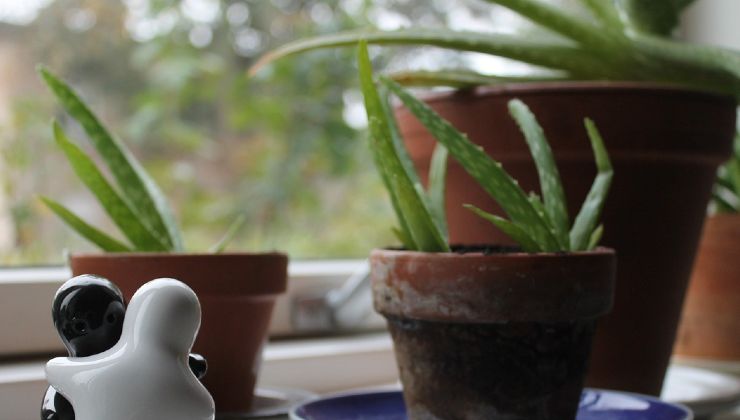
Unlocking the Secrets of Aloe Vera: Cultivation and Reproduction Revealed
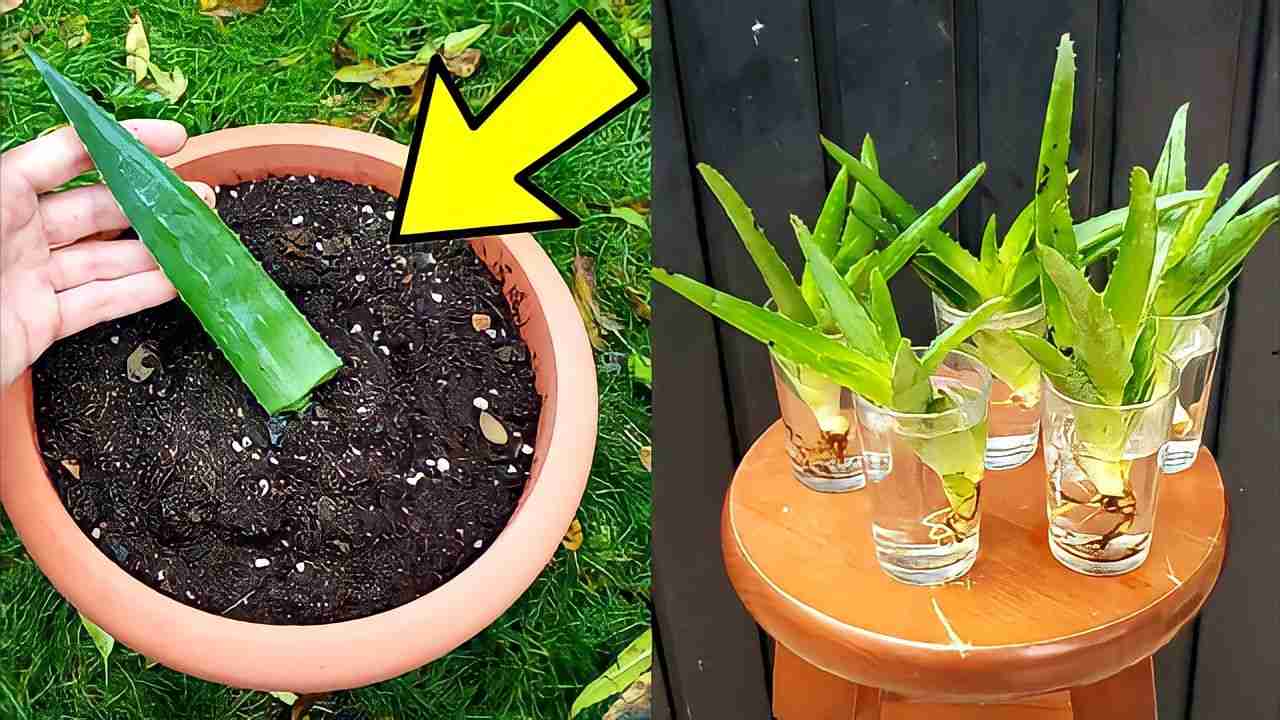
Aloe vera, a versatile succulent belonging to the Asphodelaceae family, boasts a myriad of applications and requires meticulous care. With the following method, Aloe vera can be reproduced indefinitely, allowing enthusiasts to enjoy its benefits consistently.
Having been known since ancient times, Aloe vera has earned contemporary acclaim for its multifaceted properties, finding applications in phytotherapy, herbal remedies, cosmetics, and even as a dietary supplement. Extracted from Aloe vera leaves, aloe gel and aloe juice offer a wealth of essential components, including vitamins, enzymes, amino acids, polysaccharides, water, plant hormones, and anthraquinones.
Properties of Aloe Vera Cultivation
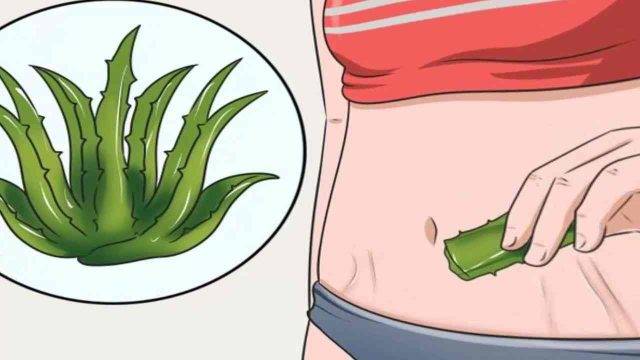
Aloe vera leaves yield a juice rich in aloin, glucosides, and emodin, which stimulate liquid secretion and exhibit laxative properties. When taken orally, Aloe vera-derived products showcase gastro-protective qualities, making them valuable in addressing issues like gastroesophageal reflux. Numerous studies support these gastro-protective attributes. Additionally, the gel from Aloe vera leaves possesses emollient and soothing properties, attributed to substances inhibiting prostaglandin production, resulting in noteworthy anti-inflammatory effects. Acemannan, found in Aloe vera, contributes to reinforcing the human body’s immune system.
Growing Aloe Vera and Promoting Reproduction
While Aloe vera is a plant with numerous benefits, it demands attentive care. During summer, Aloe shoots, or cuttings, can be taken, allowed to rest in the dark for three days to facilitate healing and prevent rotting. Plant these cuttings in a pot containing a mixture of sand and peat, providing a nutritious and porous soil with efficient drainage. Adequate sunlight is essential, but direct exposure may harm the leaves. Watering should be done sparingly, approximately every 20 days, to cater to the plant’s needs.
Fertilization Techniques for Aloe Vera
Organic fertilizers are crucial for nourishing this fleshy plant. Employing natural DIY fertilizers such as coffee grounds, which release antioxidants and nitrogen, or alternatives like nettle macerate and vegetable cooking water, rich in essential nutrients, can effectively fertilize Aloe vera.
Optimal Placement in the Home
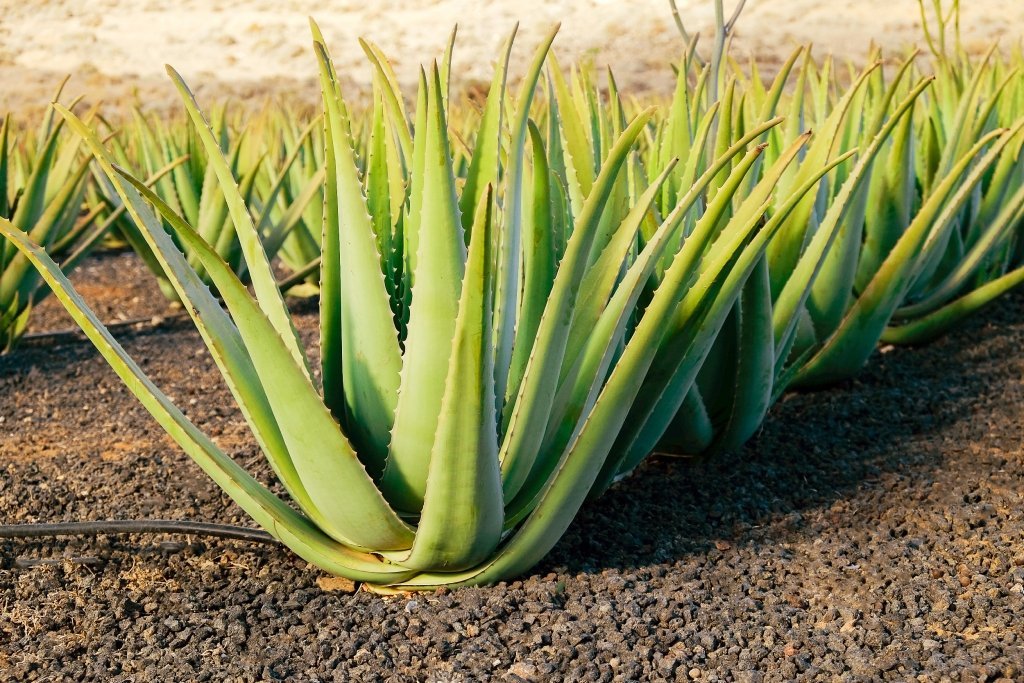
Aloe vera thrives in temperatures ranging from 18 to 30 degrees Celsius. While sunlight is essential, direct exposure should be avoided to prevent leaf damage. For indoor cultivation, a dehumidifier is recommended to counteract elevated humidity levels, ensuring an ideal environment for Aloe vera. Employ these insights to cultivate and nurture Aloe vera, unlocking its full potential for your well-being.